dtfprintgo.com

Blog

231 posts

UV DTF transfer vs screen printing: Cost comparison

UV DTF transfer vs screen printing: Cost comparison

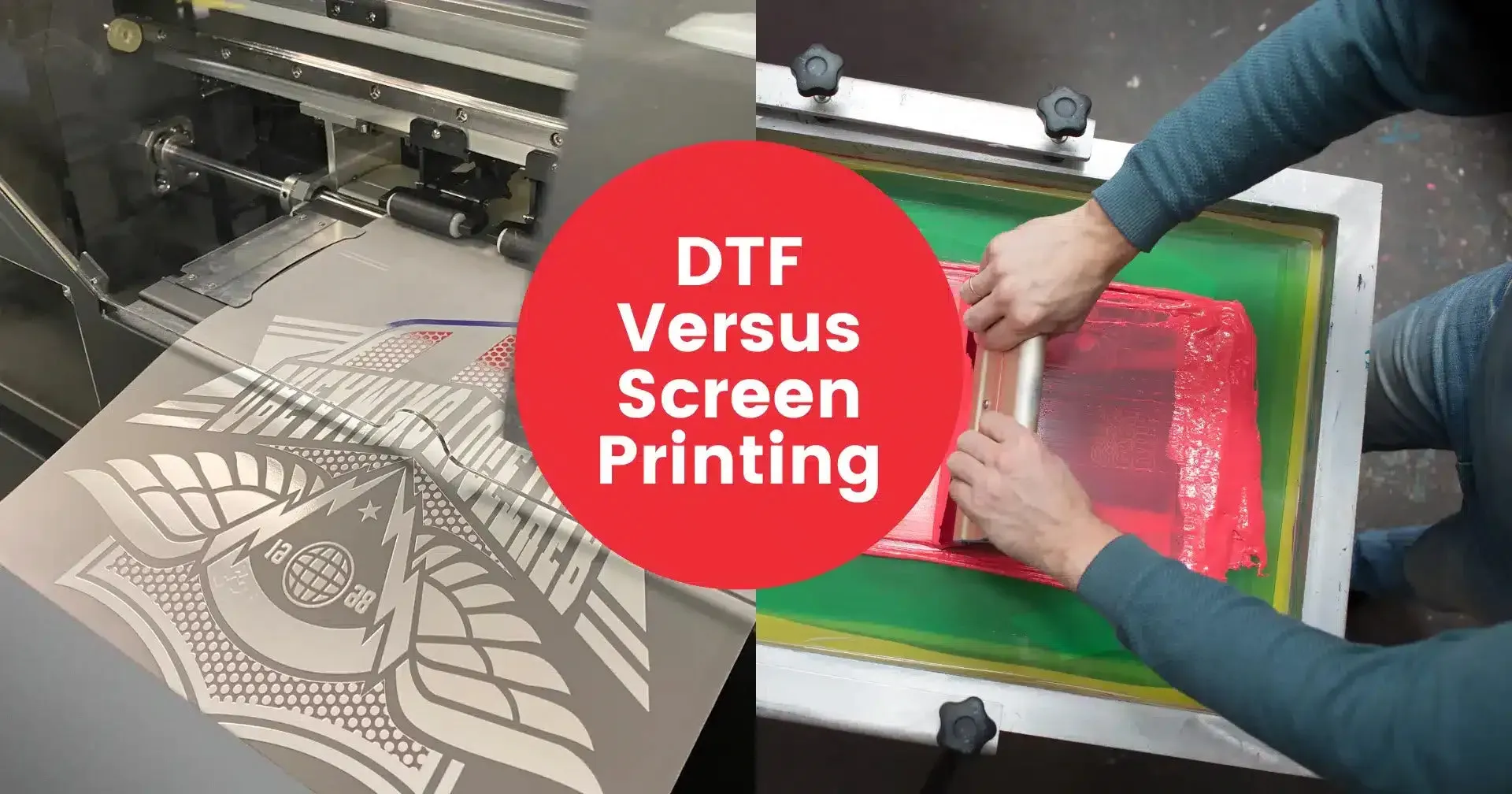
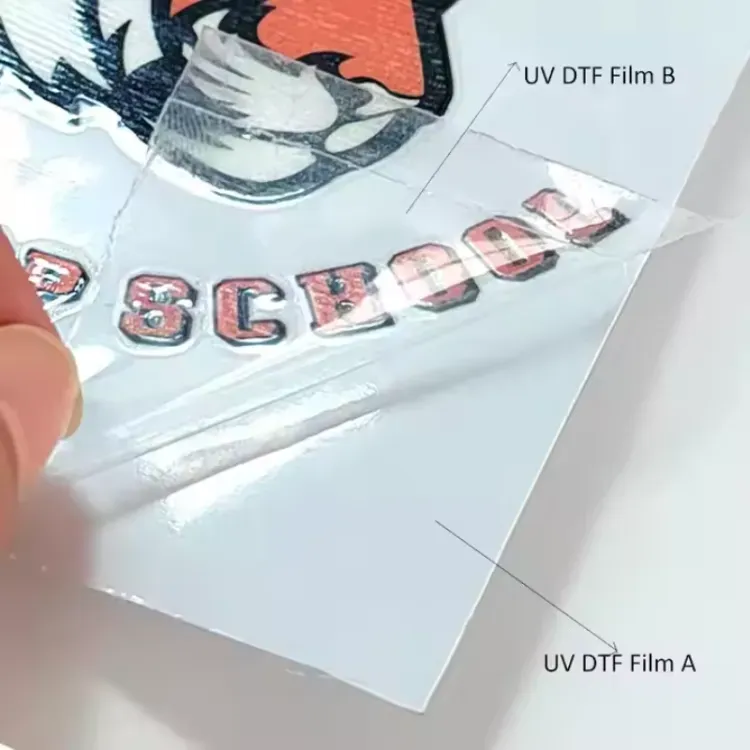
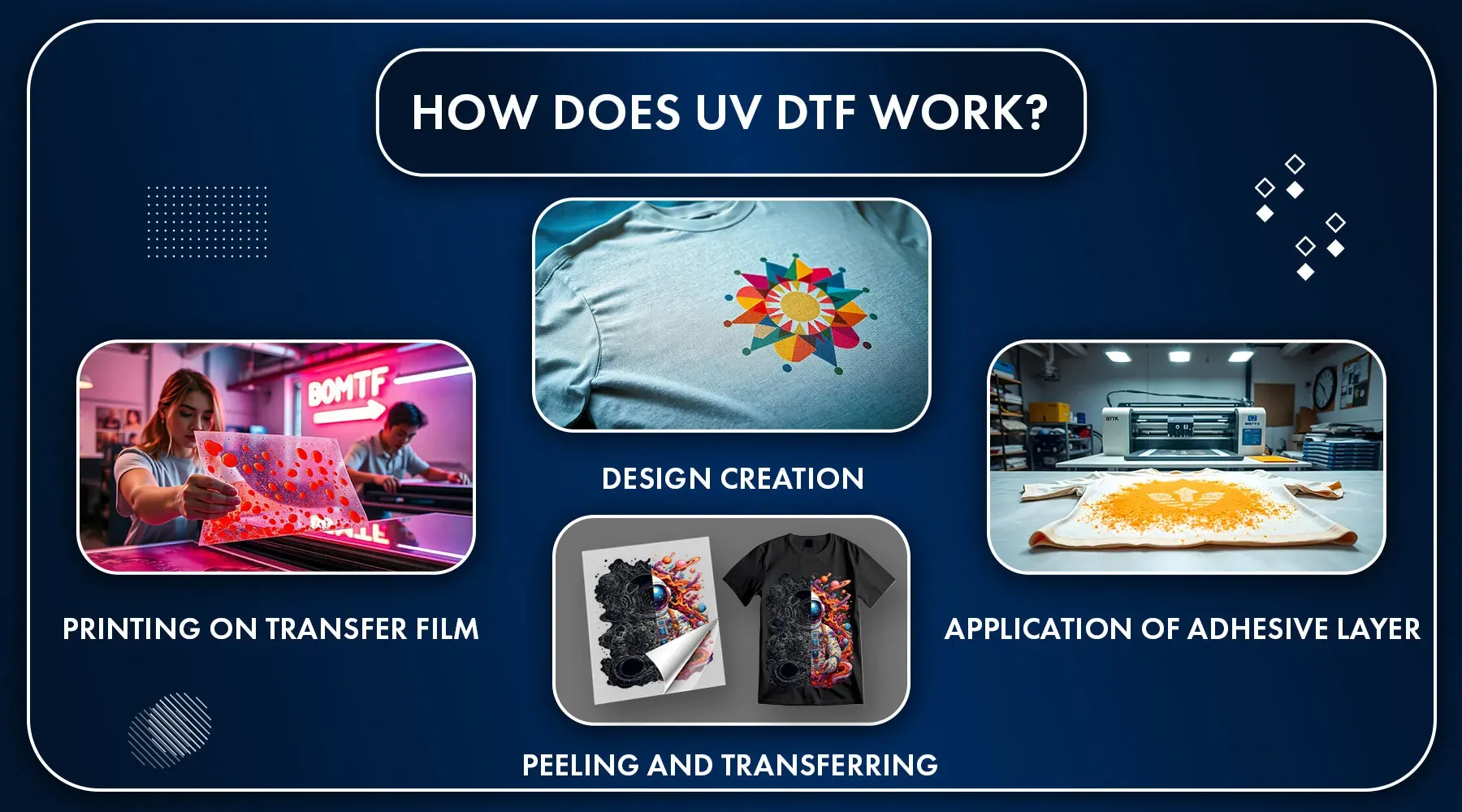
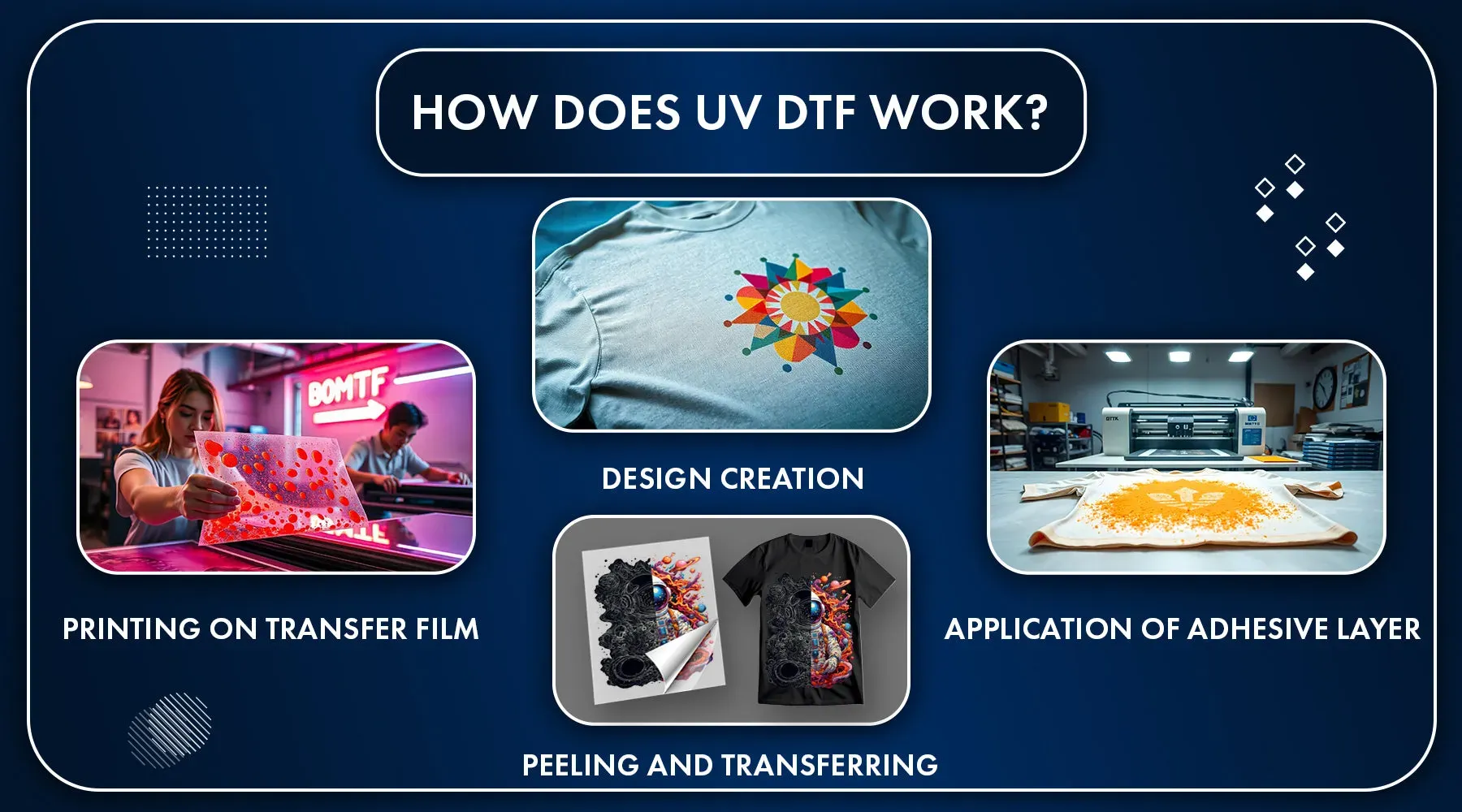
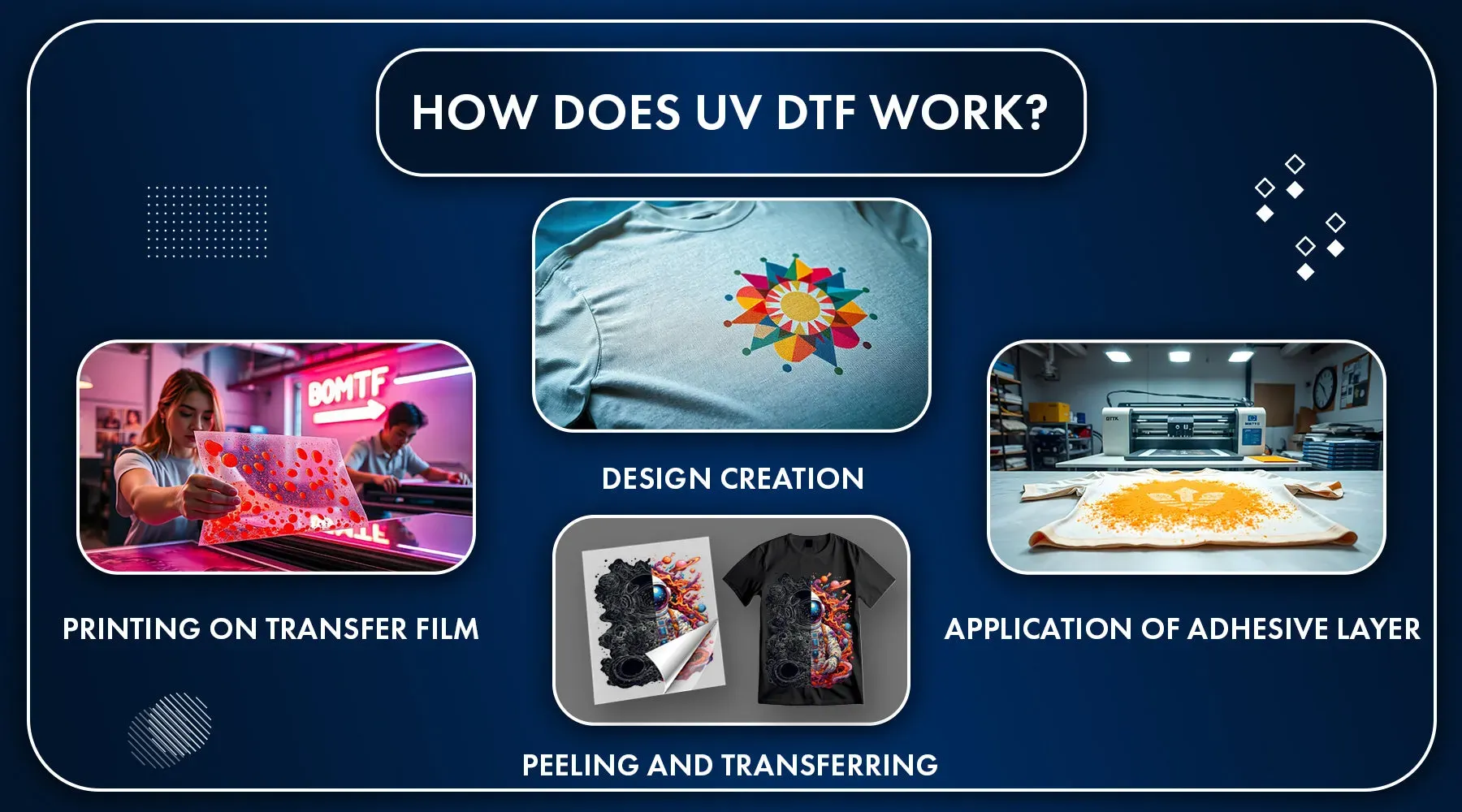
UV DTF transfer vs screen printing reshapes how brands approach on-demand customization and bulk production alike, blending the flexibility and rapid setup of digital workflows with the proven durability and scalability of traditional textile printing, and by framing the comparison around costs, speed, and end-use performance you can see how each method behaves under different order profiles, fabric types, and finish expectations, helping you tailor your approach to both small runs and larger campaigns.For cost framing, UV DTF transfer cost often includes film, adhesive, powders, and curing steps that impact the per-piece price, while DTF transfer cost considerations (distinct from simpler transfer pricing) and screen printing cost center on pigments, emulsions, screens, and color separations, making it important to model setup versus unit economics across varying volumes.

DTF vs DTG: Which Printing Method Suits Your Brand?

DTF vs DTG: Which Printing Method Suits Your Brand?

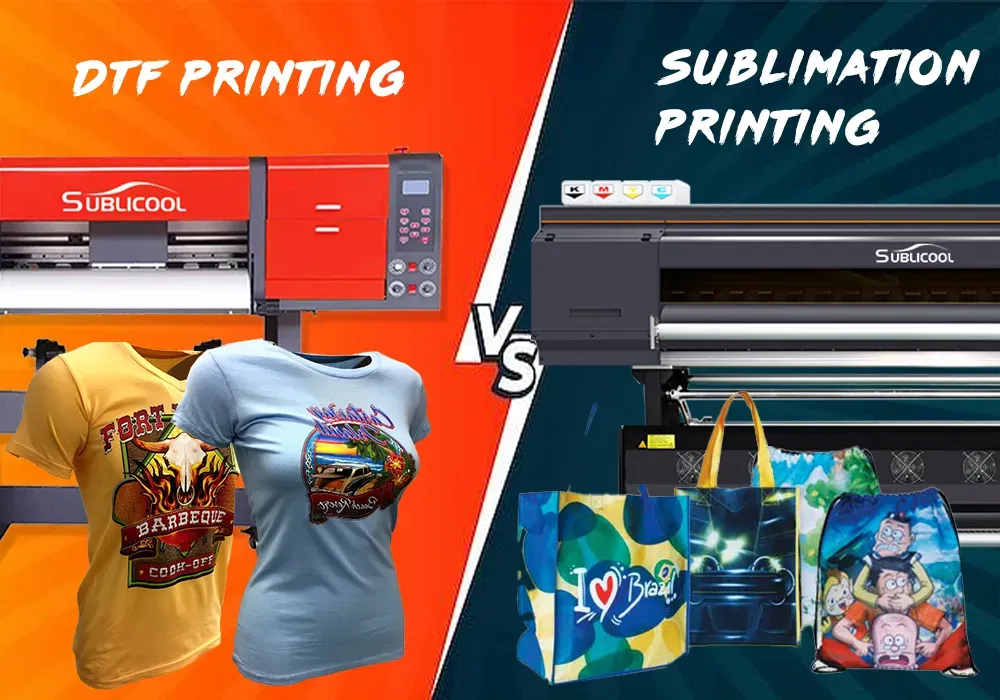
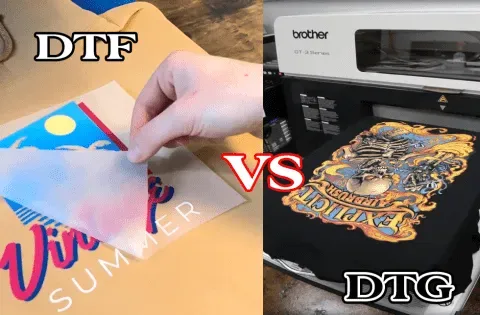
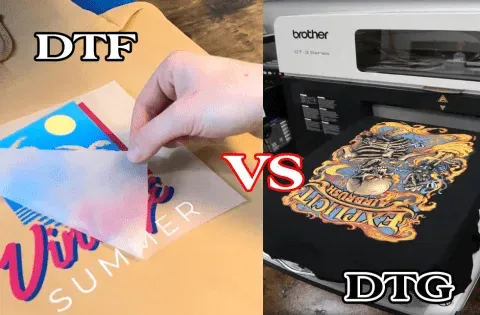
DTF vs DTG durability is a central question for brands balancing upfront cost, per-unit production speed, color fidelity, and wash performance over time, including uptime for production lines, aftercare expectations, and the potential for long-term cost savings.Both approaches deliver striking imagery on apparel, but their practical strengths emerge when you consider fabric versatility, pre-treatment or film steps, yield consistency, and the realities of daily wear across seasons and product lines, which informs pricing strategies, order forecasting, and the way retailers perceive value.

DTF trends 2026: Innovations in Direct-to-Film Technologies

DTF trends 2026: Innovations in Direct-to-Film Technologies

DTF trends 2026 are reshaping how brands approach creativity, speed, and sustainability in garment customization, making Direct-to-Film technology a mainstream option for shops of all sizes, from boutique studios to multi-site apparel houses, as color reproduction, fabric compatibility, and production efficiency continue to improve, aligning with broader movements toward responsible inks and streamlined decoration workflows.As printers, designers, and business owners study DTF printing innovations, they’re plotting investments, workflows, and design strategies that maximize durability, color control, wash-fastness, and profitability while reducing waste and enabling faster prototyping and on-demand production, all while considering supply chain resilience and flexible color-management toolsets.

DTF Color Accuracy: Profiles & Pre-Press for Great Results

DTF Color Accuracy: Profiles & Pre-Press for Great Results

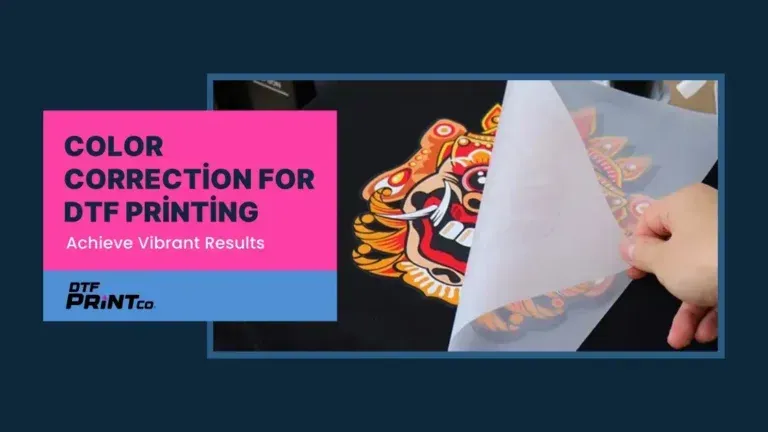
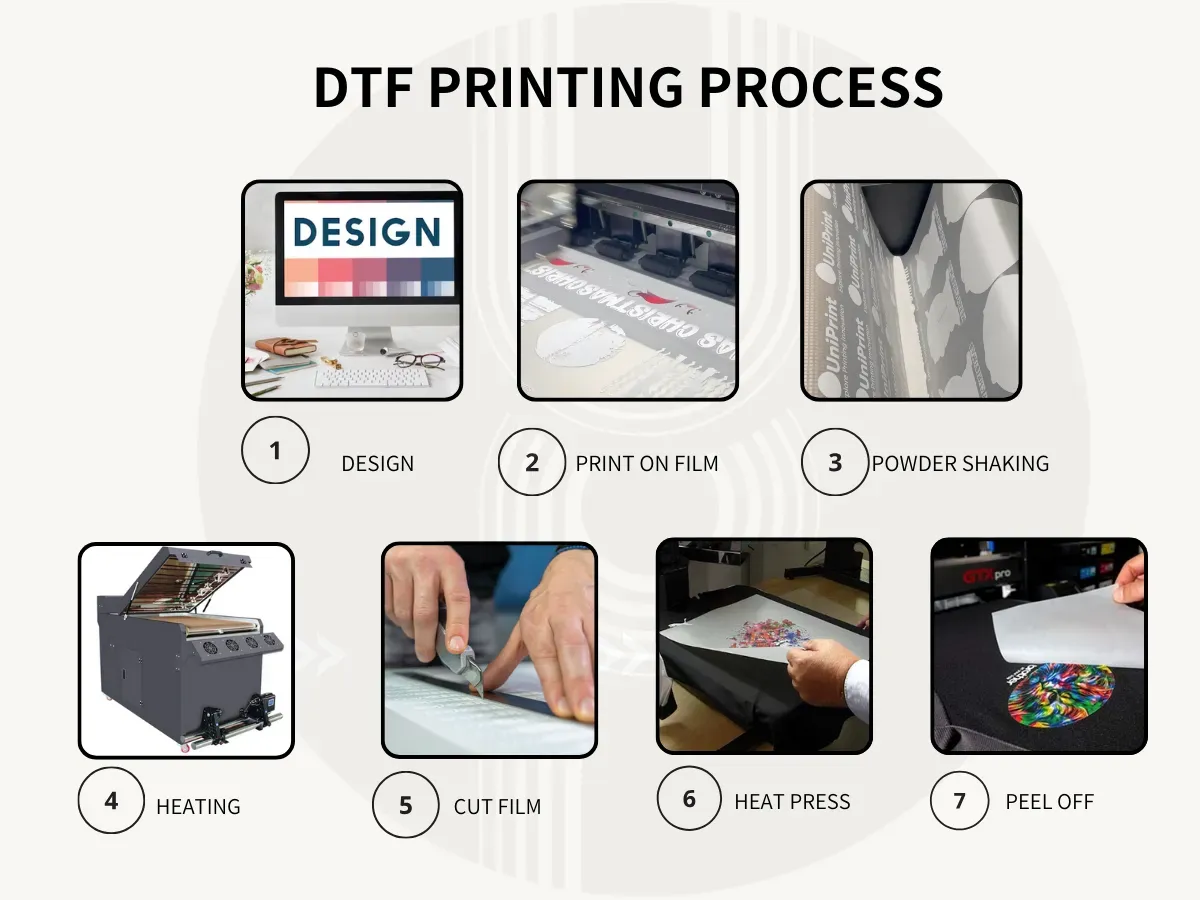
DTF color accuracy is the secret ingredient that separates a garment that looks sharp straight off the press from one that reads as off-brand, and it hinges on thoughtful preparation, precise measurement, and a disciplined workflow that catches missteps early.Mastering DTF color management means aligning your on-screen designs with the inks, substrates, and transfer films you actually print on, and it relies on calibrated monitors, robust ICC profiles for DTF, standardized color workflows, and a strategy that minimizes color drift across lighting conditions and production runs.

DTF color management: Mastering vivid, durable prints

DTF color management: Mastering vivid, durable prints

DTF color management is the backbone of turning ideas into accurate, vibrant, and long-lasting printed results that elevate your brand's image.For anyone working with Direct-to-Film (DTF) workflows, getting the color right isn’t just a cosmetic detail—it’s essential to meeting client expectations, ensuring consistency across runs, and protecting the integrity of your brand; This approach translates into faster onboarding, fewer color-related disputes, and a scalable workflow for growing print shops across teams and projects.
UV DTF transfer: Creative DIY projects for home crafters

UV DTF transfer: Creative DIY projects for home crafters

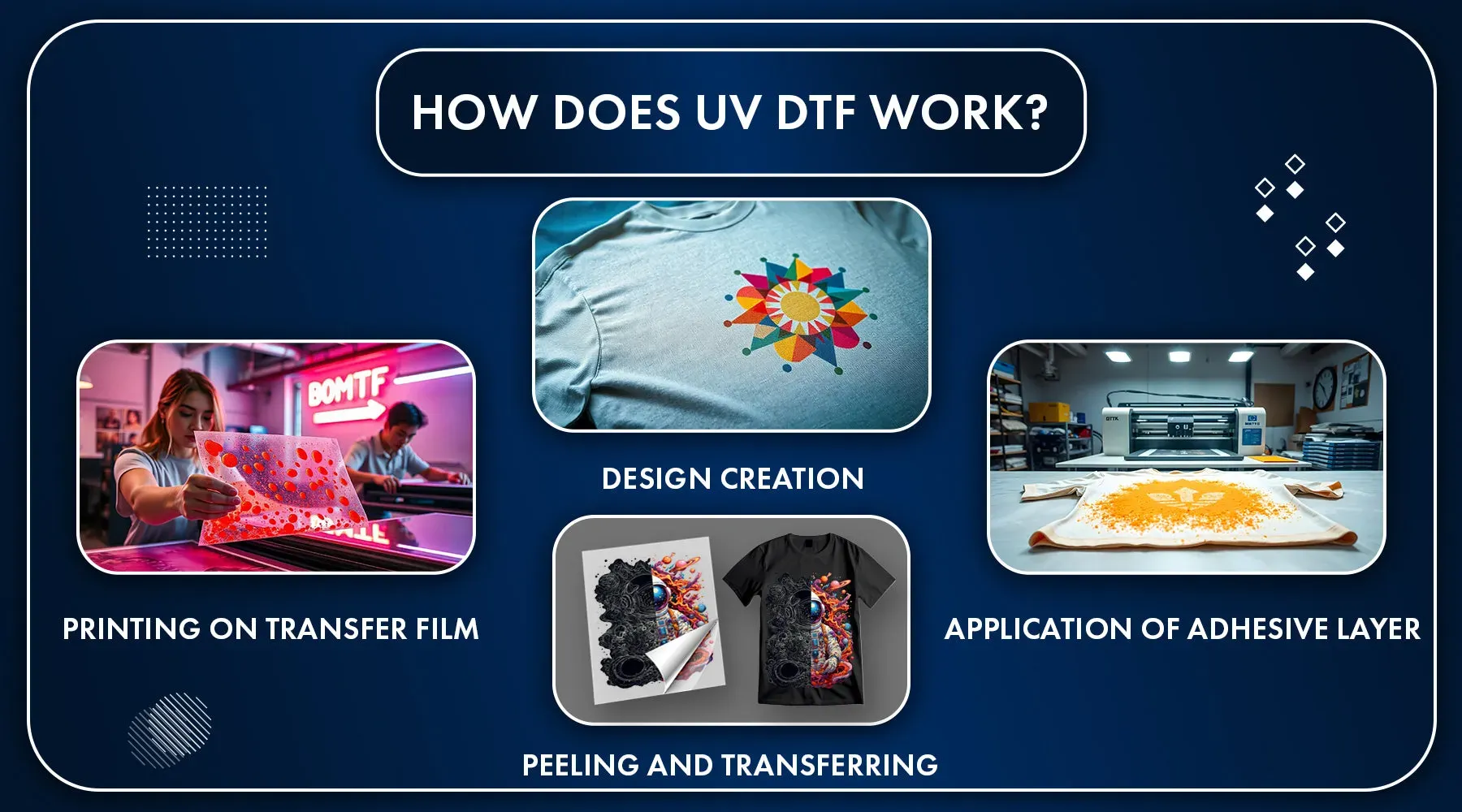
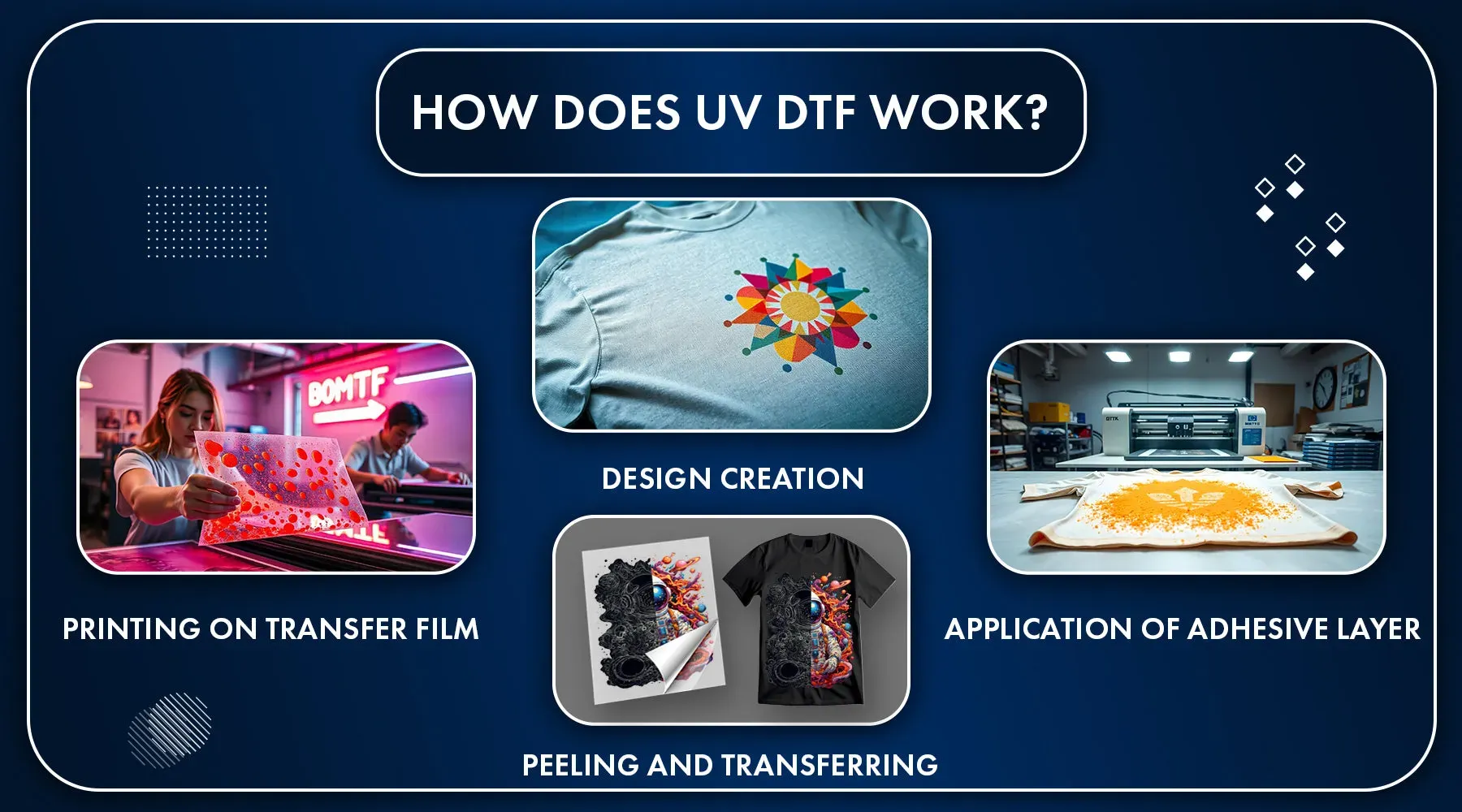
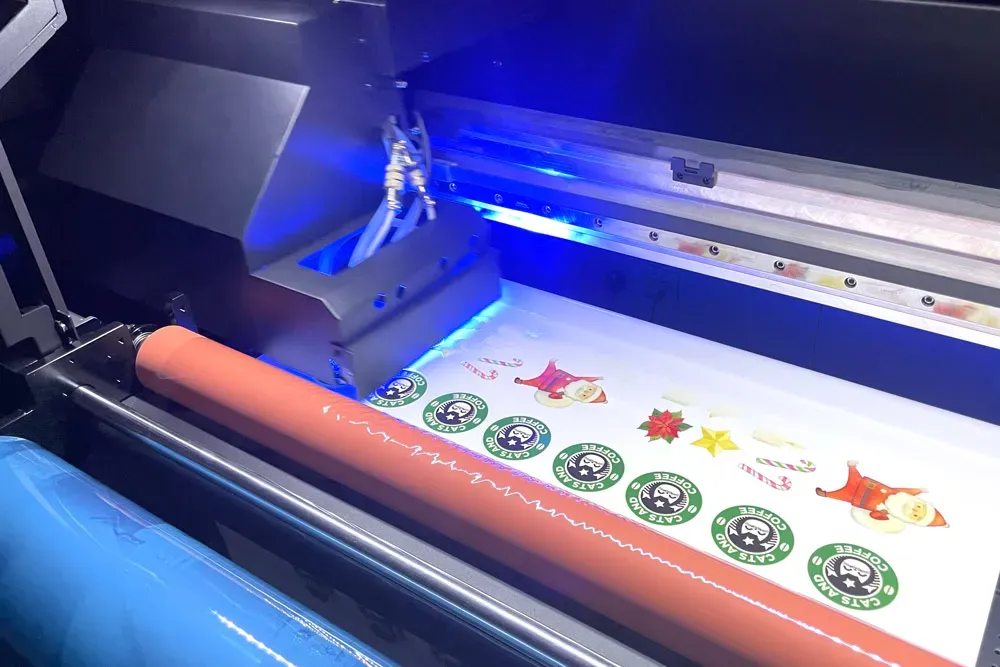
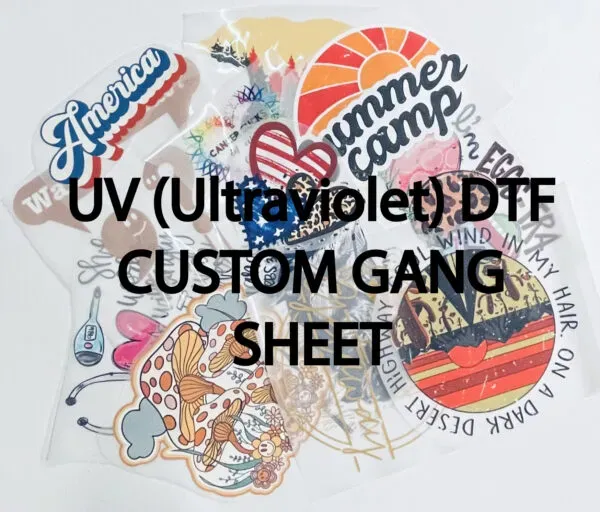
UV DTF transfer opens exciting possibilities for DIY enthusiasts who want vibrant, durable designs across a wide range of surfaces, delivering professional results without heavy equipment or a large studio.To really master this approach, you should study UV DTF transfer techniques that cover ink curing, film handling, and heat-press timing, yielding sharp edges, bright color, and reliable adhesion on textiles, ceramics, wood, glass, and other substrates, including DTF transfer on fabric.
UV DTF Gangheet Materials: Buyer's Guide to Quality Supplies

UV DTF Gangheet Materials: Buyer's Guide to Quality Supplies

When venturing into UV DTF printing, one of the most important decisions is selecting the right UV DTF Gangheet Materials for reliable color, strong adhesion, and long wear across diverse fabrics.This guide helps you navigate the market, compare options, and make informed purchasing choices, whether you’re a small business expanding into garment customization or a hobbyist exploring new techniques, with practical criteria for UV DTF materials, DTF gangsheet formats, UV DTF sheets, and substrate compatibility.

UV DTF gangsheet techniques: 12 essential printing tips

UV DTF gangsheet techniques: 12 essential printing tips

UV DTF gangsheet techniques are redefining how apparel brands scale production while preserving color fidelity and durability across fabrics, enabling faster turnarounds, tighter tolerances, and more predictable outcomes for complex garment lines.If you’re venturing into UV DTF gangsheet printing for textiles, you’ll want a reliable playbook that aligns substrate prep, curing, finishing, quality checks, and maintenance routines with practical UV DTF printing tips for DTF printing on fabrics, plus troubleshooting steps for common substrate variability and ink behavior under heat.

UV DTF Gangheet Films: Which Material Works Best for You?

UV DTF Gangheet Films: Which Material Works Best for You?

UV DTF Gangheet Films are redefining garment customization by delivering vibrant color, strong adhesion, and dependable performance when paired with UV-curable inks, enabling faster workflows, tighter registration, and bolder designs across a wide range of fabrics, weights, and finishes that shop owners and brands increasingly rely on to meet rapid turnaround deadlines.In this introductory guide, the UV DTF film comparison highlights how subtle differences in formulation—from base polymers to adhesive chemistry—impact opacity, edge sharpness, curl resistance, cure stability, and long-term wear, so you can weigh practical trade-offs rather than chase marketing claims.