
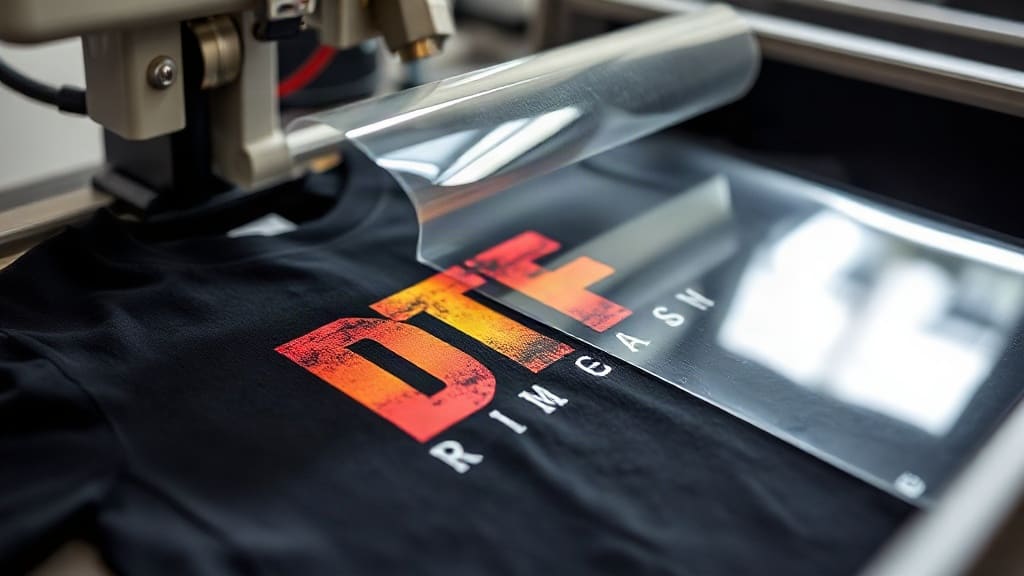
In the world of custom apparel, DTF transfers have become a game-changer. If you've been searching for a flexible, high-quality way to print designs on garments, you've likely encountered this term. But what exactly are they? Why are they gaining such popularity among small businesses and hobbyists alike? This guide dives deep into everything you need to know about DTF transfers, from the basic process to advanced tips for achieving professional results. Whether you're a seasoned printer or just starting, you'll find actionable insights to elevate your custom apparel game.
What Are DTF Transfers?
DTF stands for Direct to Film. Essentially, it's a printing method where your design is printed onto a special PET film using a printer and specialized inks. The printed film is then coated with adhesive powder and heat-pressed onto a garment. The result is a vibrant, durable print that feels soft and stretches with the fabric. Unlike traditional screen printing, DTF is ideal for small orders and complex designs, making it a favorite for on-demand printing.
How Do DTF Transfers Work?
Understanding the process behind DTF transfers can help you appreciate their versatility and troubleshoot any issues. Here's a step-by-step breakdown:
- Design Creation: Your artwork is prepared in a design software. Ensure it's high-resolution and in CMYK color mode for best results.
- Printing: The design is printed onto a special film using DTF inks. Typically, white ink is laid down as a base layer, followed by CMYK colors. The film is then passed through a powder application unit that applies adhesive powder while the ink is still wet.
- Curing: The film is then heated to cure the powder, causing it to melt and become sticky. This creates a strong bond that will later adhere to the fabric.
- Application: The transfer is placed on the garment with the film side up, and heat is applied using a heat press. The adhesive melts and bonds with the fabric fibers.
- Peeling: After pressing, the film is peeled away, leaving the vibrant print embedded in the fabric.
Benefits of Using DTF Transfers
Why have DTF transfers become so popular? The benefits are numerous, making them an attractive option for many businesses.
Versatility Across Materials
One of the biggest advantages is that DTF transfers work on a wide range of fabrics, including cotton, polyester, blends, and even challenging materials like nylon or leather. This flexibility opens up many product opportunities.
No Screen Setup
Unlike screen printing, there's no need for screens or setup charges. This makes DTF incredibly cost-effective for small quantities. You can print as few as one shirt at a time without breaking the bank.
Exceptional Detail and Color
DTF printing produces sharp details and vibrant colors. The white underbase ensures that colors pop on dark garments, and the ink is highly pigmented, resulting in bright, long-lasting prints.
Soft Hand Feel
DTF prints are known for their soft, flexible feel. The adhesive layer is thin and doesn't create a heavy plastic-like layer, so the print stretches with the fabric and remains comfortable to wear.
Easy to Use
With a DTF printer and a heat press, you can produce transfers in-house. The process is streamlined, and many users appreciate the ease of producing professional-looking results without extensive training.
DTF Transfers vs. Other Methods
To fully appreciate DTF, it's helpful to compare it with other popular printing methods.
DTF vs. Screen Printing
Screen printing is excellent for large bulk orders and offers high durability. However, it requires significant setup and is not cost-effective for small runs. DTF transfers provide a simpler setup and allow for vibrant prints on various fabrics, making it better for small to medium orders and designs with many colors.
DTF vs. Vinyl (HTV)
Heat transfer vinyl is great for simple, solid-color designs. Yet, it can be time-consuming to weed and apply, especially for intricate designs. DTF prints are full-color without weeding and handle gradients and detailed artwork effortlessly.
DTF vs. Sublimation
Sublimation printing works only on polyester or polymer-coated surfaces, and it requires white garments for bright colors. DTF transfers work on dark fabrics and any material, offering greater flexibility. Sublimation is ideal for all-over prints, but DTF is better for detailed, colorful designs on various substrates.
Tips for Getting the Best Results
To achieve professional-looking DTF transfers, consider these practical tips:
- Use High-Quality Films and Inks: The quality of your consumables directly impacts the final result. Invest in reputable brands for consistent performance.
- Calibrate Your Colors: Color management is crucial. Use an ICC profile for your printer and film combination to ensure accurate colors.
- Maintain Your Printer: Regular maintenance prevents clogs and ensures consistent ink application.
- Control Temperature and Pressure: Follow the recommended time, temperature, and pressure for your specific film and adhesive. Typically, 320°F for 15-20 seconds works well, but always test.
- Test Before Production: Always do a test print and press to check colors and adhesion, especially when switching materials or films.
- Proper Storage: Keep films and printed transfers in a cool, dry place away from direct sunlight to preserve adhesive quality.
Common Mistakes to Avoid
Even experienced printers can fall into traps. Avoid these common pitfalls:
- Insufficient Shaking: Shake the ink bottles well before filling to ensure even pigment distribution.
- Wrong Film Side: Ensure you print on the correct side of the film. Usually, the film has a matte side for printing and a glossy side for peeling.
- Incorrect Curing: Over-curing can make the adhesive too dry, while under-curing can result in poor adhesion. Find the right balance.
- Peeling Too Fast: Allow the transfer to cool slightly before peeling hot or cold, depending on the manufacturer's instructions. Typically, warm peel works best.
- Ignoring Garment Care: Advise your customers to wash garments inside out in cold water and avoid ironing directly on the print to extend the life of the transfer.
Applications of DTF Transfers
The versatility of DTF transfers means they can be used for a wide array of products:
- T-shirts, hoodies, and sweatshirts
- Tote bags and backpacks
- Pillows and home decor
- Workwear and uniforms
- Sportswear and jerseys
- Promotional merchandise
Because DTF transfers can be applied to almost any fabric, the possibilities are nearly endless. Many small businesses use DTF to offer custom merchandise to their customers without investing in expensive screen printing equipment.
Frequently Asked Questions
What are the ideal settings for pressing DTF transfers?
Generally, you should press DTF transfers at 320°F (160°C) for 15-20 seconds with firm pressure. However, always refer to your film manufacturer's recommendations, as different films may require slight adjustments. It's best to do a test press to ensure the adhesive melts properly and the print adheres well.
How long do DTF transfers last?
With proper application and care, DTF transfers are highly durable. They can withstand multiple washes without fading or cracking. On average, they last as long as the garment itself, provided you follow care instructions like washing in cold water and avoiding harsh detergents.
Can DTF transfers be used on dark garments?
Yes, absolutely. One of the main advantages of DTF is that it includes a white ink base layer, which ensures colors appear vibrant on dark fabrics. This makes it an excellent choice for printing on black shirts or other dark-colored items.
Can I use DTF transfers for small orders?
Definitely. Unlike screen printing, which has high setup costs, DTF transfers have no setup fees. You can print a single item or a small batch economically, making it perfect for custom orders, prototypes, or limited editions.
Do DTF transfers require a special printer?
Yes, DTF printing uses specific printers that have been modified to handle white ink and often come with a powder applicator. However, you can also convert some standard inkjet printers to DTF, but it's best to invest in a dedicated DTF printer for reliable results.
Conclusion
DTF transfers offer an incredible mix of flexibility, quality, and ease of use, making them a top choice for custom apparel. Whether you're looking to start a small print-on-demand business or expand your current offerings, understanding and leveraging DTF technology can set you apart. With the right equipment and a bit of practice, you'll be producing stunning, durable prints that your customers will love. So, are you ready to try DTF transfers for your next project? The results might just surprise you.