
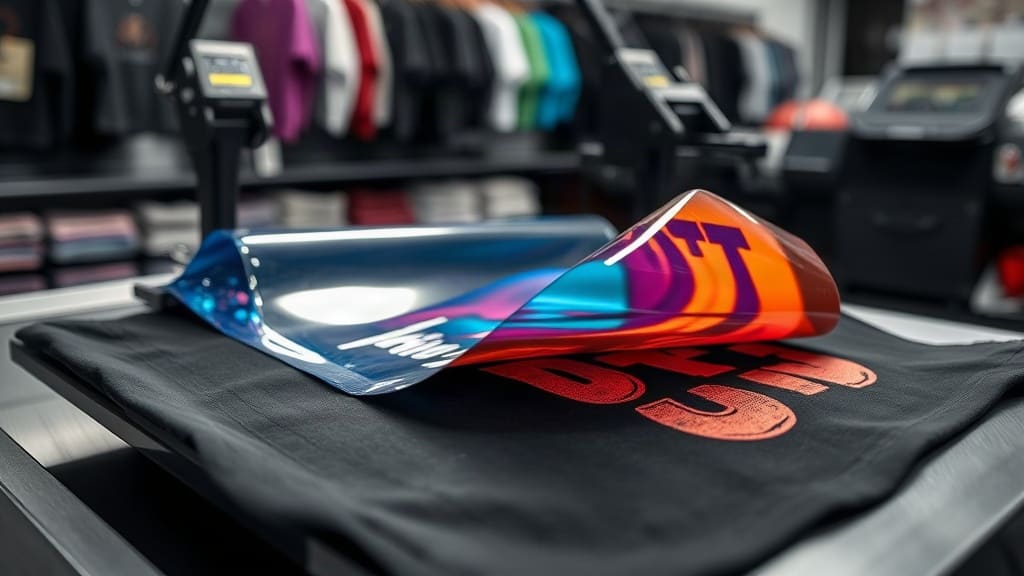
If you're in the custom printing world, you've likely heard about DTF transfers. This innovative method has taken the industry by storm, offering incredible versatility, vibrant colors, and durability. But what exactly are DTF transfers, and why are they becoming the go-to choice for many businesses?
In this comprehensive guide, we'll dive deep into DTF transfers, explaining everything from the printing process to practical tips for getting the best results. Whether you're a seasoned professional or just starting, you'll find valuable insights to elevate your printing game.
What Are DTF Transfers?
DTF stands for Direct to Film. Unlike traditional methods like screen printing or direct-to-garment (DTG), DTF involves printing your design onto a special PET film, applying adhesive powder, and then heat-pressing it onto the fabric. This process allows you to print on a wide range of materials, including cotton, polyester, blends, and even tricky fabrics like nylon.
The beauty of DTF transfers lies in their flexibility. You don't need to pre-treat garments, and you can print complex, full-color designs with ease. Plus, the transfers can be stored and applied later, making them perfect for on-demand production.
How Do DTF Transfers Work?
Understanding the process is crucial for achieving professional results. Here's a step-by-step breakdown:
- Design Creation: First, you create or choose your design. It's essential to ensure the colors and details are optimized for printing.
- Printing on Film: Using a specialized DTF printer, you print your design onto a PET film. Typically, you'll use white ink first as a base, followed by CMYK colors. The white layer is vital for keeping colors vibrant on dark fabrics.
- Applying Adhesive Powder: While the ink is still wet, you evenly coat the design with hot-melt adhesive powder. This powder is what makes the transfer stick to the fabric.
- Drying and Curing: The film is then passed through a dryer or heat press to melt and cure the powder, forming a solid adhesive layer.
- Storage: The finished DTF transfer can be stored in a cool, dry place until you're ready to use it.
- Heat Pressing: To apply, you place the transfer on the garment with the design facing down, then press with heat and pressure. Peel the film off (hot or cold, depending on the type), and your print is ready!
Why Choose DTF Transfers?
There are several compelling reasons why DTF transfers have become a favorite among printers:
- Versatility: Unlike DTG, DTF works on a variety of fabrics, including 100% cotton, polyester, and blends. It also works on non-fabric items like tote bags, caps, and even leather.
- Durability: DTF prints are known for their excellent washability and resistance to cracking. They maintain their vibrancy even after multiple washes.
- Soft Hand Feel: The prints have a soft, stretchy texture that doesn't feel heavy or plastic-like, making them comfortable to wear.
- Cost-Effective: For small to medium runs, DTF can be more economical than screen printing, which requires expensive setup costs.
- On-Demand Flexibility: Because you can print transfers ahead of time, you can quickly fulfill orders without waiting for the entire printing process.
DTF Transfers vs. Other Printing Methods
To truly appreciate DTF transfers, it helps to compare them with other popular methods.
DTF vs. DTG
DTG (Direct to Garment) prints directly onto the shirt, but it requires pre-treatment for cotton to achieve good results. DTF, on the other hand, doesn't need pre-treatment and works on more fabric types. DTF also tends to have better color opacity on dark garments because of the white ink layer.
DTF vs. Screen Printing
Screen printing is excellent for large runs due to its low per-unit cost, but it's less practical for small orders or designs with many colors. DTF offers full-color printing without screen setup, making it ideal for short runs and complex designs.
DTF vs. Heat Transfer Vinyl (HTV)
HTV is great for single-color or simple designs, but it can't achieve the photorealistic quality of DTF. DTF also produces a softer feel and better durability.
Tips for Getting the Best Results with DTF Transfers
To ensure your DTF transfers come out flawlessly, consider these expert tips:
- Use High-Quality Films and Inks: The quality of your materials directly impacts the print. Invest in reliable DTF films and inks to avoid issues like bleeding or poor adhesion.
- Optimal Heat Press Settings: Different fabrics require different temperature and pressure. Usually, 160°C for 15 seconds works well, but always test on scrap fabric first. Follow the manufacturer's guidelines.
- Peel While Hot or Cold? Some films require hot peeling, others cold. Check the label on your film. Hot peeling gives a smoother finish, while cold peeling can produce a matte texture.
- Pre-Press Your Garment: Pre-pressing removes moisture and wrinkles, helping the transfer adhere better.
- Store Transfers Properly: Keep your transfers in a cool, dry place away from direct sunlight. High humidity can affect the adhesive.
- Handle with Care: When handling the film, avoid touching the powder layer with your fingers, as oils can affect adhesion.
Common Mistakes to Avoid
Even experienced printers can make mistakes. Here are some common pitfalls to watch out for:
- Too Little Adhesive Powder: If you don't apply enough powder, the design won't stick properly. Ensure even coverage.
- Incorrect Curing Temperature: If the powder isn't cured at the right temperature, it may not fully melt, leading to poor adhesion.
- Printing on Wet Film: Always ensure the film is dry before applying powder, or the powder may clump.
- Neglecting Test Prints: Always do a test press on a sample garment before running a full order to avoid ruining shirts.
Applications of DTF Transfers
DTF transfers are incredibly versatile, making them suitable for a wide range of applications:
- Custom Apparel: T-shirts, hoodies, sweatshirts, and even socks.
- Sportswear: Jerseys and athletic wear, thanks to their durability and stretchability.
- Children's Clothing: Soft prints that are safe for sensitive skin.
- Promotional Products: Tote bags, caps, and other promotional items.
- Small Business Merchandise: Perfect for startups and small businesses that need affordable custom prints.
How to Start Using DTF Transfers
If you're ready to incorporate DTF transfers into your workflow, here's a simple roadmap:
- Invest in Equipment: You'll need a DTF printer (or use a service that provides DTF transfers), a heat press, films, inks, and adhesive powder.
- Choose a Supplier: If you don't want to invest in a DTF printer, you can order DTF transfers from a professional service like DTF Print Go, which offers high-quality prints with quick turnaround.
- Prepare Your Artwork: Ensure your designs are high-resolution (300 DPI) and correctly sized for your garments.
- Test and Perfect: Run test prints to dial in your settings and build confidence.
- Scale Up: Once you're satisfied, start producing orders efficiently.
Frequently Asked Questions
Can DTF transfers be used on any fabric?
Yes, DTF transfers are highly versatile and can be applied to a wide range of fabrics, including cotton, polyester, blends, and even nylon. However, the heat press settings may vary depending on the fabric's composition and thickness. Always test on a sample first to ensure optimal results.
How durable are DTF transfers after washing?
DTF transfers are known for their excellent durability. When applied correctly, they can withstand numerous washes without fading or cracking. To maximize longevity, wash garments inside out in cold water and avoid using harsh detergents or bleach.
Can I use DTF transfers for small orders?
Absolutely! One of the biggest advantages of DTF transfers is that they are cost-effective for small orders. There are no setup fees or minimum quantities, making them perfect for custom one-off items or small batches.
How do I store unused DTF transfers?
Store your DTF transfers in a cool, dry place away from direct sunlight and moisture. They should be kept flat or rolled in a way that doesn't crease the film. Proper storage ensures that the adhesive remains effective for months.
What is the difference between DTF and sublimation?
Sublimation works only on polyester fabrics because the ink turns into gas and bonds with the polyester fibers. DTF transfers, on the other hand, work on a variety of fabrics, including cotton, because they use an adhesive layer that bonds physically to the material. This makes DTF more versatile for mixed-fabric garments.
In conclusion, DTF transfers offer an incredible solution for modern custom printing. Their versatility, durability, and cost-effectiveness make them a smart choice for businesses of all sizes. Whether you're creating personalized gifts, building a brand, or expanding your print services, DTF transfers can help you achieve professional results with ease. Start exploring the possibilities today and see why this technology is reshaping the industry.