
If you're in the printing industry, you've likely heard about DTF transfers. They've been making waves as a versatile and cost-effective method for creating custom garments. But what exactly are they, and why are they becoming so popular? In this guide, I'll share my firsthand experience with DTF transfers, break down the process, and give you practical advice to achieve professional results.
What Are DTF Transfers?
DTF stands for Direct to Film. Unlike traditional heat transfer vinyl (HTV) that requires cutting and weeding, DTF printing involves printing your design onto a special PET film using a printer equipped with pigment inks. The design is then coated with an adhesive powder, melted, and later heat-pressed onto fabric. This method allows for vibrant colors, intricate details, and a soft hand feel that rivals screen printing.
How DTF Transfers Work
The process might sound complex, but it's quite straightforward once you break it down:
- Printing: Your artwork is printed onto a PET film in reverse (mirrored) using a DTF printer. The printer uses CMYK plus white ink, which is crucial for light-colored designs on dark fabric.
- Powder Application: While the ink is still wet, a hot-melt adhesive powder is applied evenly over the printed area. This powder sticks only to the ink.
- Melting: The film is then passed through a dryer or heat tunnel to melt the powder into the ink, creating a solid adhesive layer.
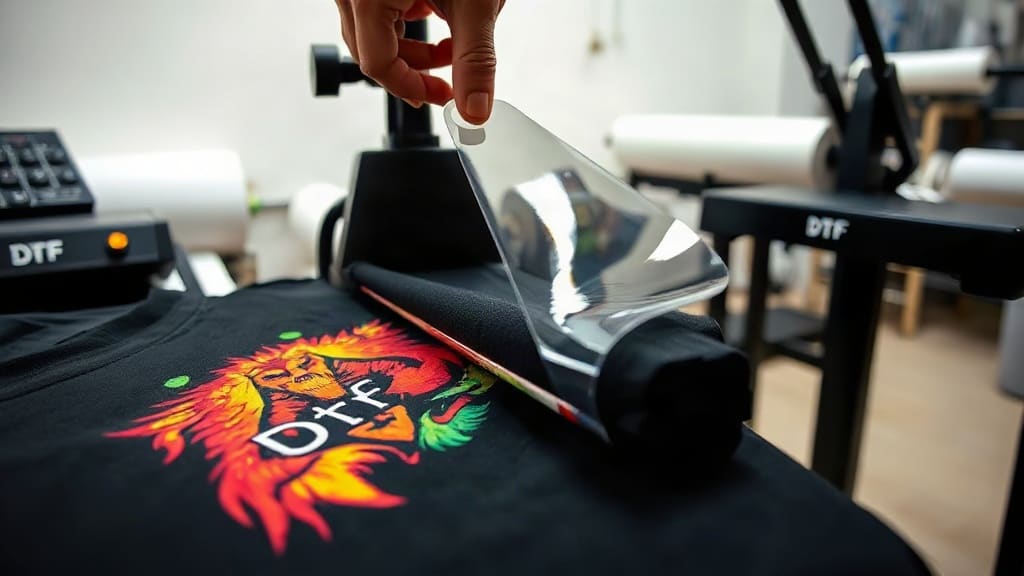
- Application: You place the transfer on your garment with the printed side down, and heat press it at about 320°F for 15 seconds. Peel while warm or cool, depending on the film type.
That's it! You have a durable, stretchable print that can be applied to various fabrics, including cotton, polyester, and blends.
Why Choose DTF Transfers?
Versatility
One of the biggest advantages is that you can print on a wide range of materials beyond just t-shirts. I've personally used DTF transfers on hoodies, tote bags, and even denim. The prints adhere well and survive multiple washes without cracking or fading.
No Weeding
With traditional HTV, you have to manually weed out excess vinyl. DTF eliminates this step entirely. You print, powder, and press. This saves time and reduces waste, especially for complex multi-color designs.
High Detail and Color
DTF printing allows for photorealistic prints with smooth gradients and fine details. The white ink layer ensures that colors pop on dark fabrics. This is a game-changer if you're looking to offer high-quality prints without the high setup costs of screen printing.
Cost-Effective for Small Runs
Unlike screen printing, there are no screens to make, making DTF transfers ideal for small orders. You can print one-off custom pieces or samples without breaking the bank. Plus, you can store the transfers and apply them later, which is great for on-demand production.
Tips for Perfect DTF Transfers
Based on my experience, here are some practical tips to ensure your DTF transfers come out flawlessly:
- Choose the right film: Use high-quality PET film designed specifically for DTF printing. This affects ink adhesion and the final hand feel.
- Calibrate your printer: Make sure your printer is properly calibrated for color accuracy and ink density. A test print is always a good idea.
- Use enough powder: Too little powder results in poor adhesion, while too much can cause bleeding. Apply a generous, even coat and shake off the excess.
- Heat press settings: Follow the manufacturer's recommendations for temperature, time, and pressure. Typically, 320°F for 12-15 seconds at medium pressure works well. Adjust based on your specific film and fabric.
- Peel method: Some films require hot peeling (immediately after pressing), while others need cold peel. Test a sample to determine the best method for your transfer.
- Pre-press your garment: To remove moisture and wrinkles, pre-press the garment for a few seconds before applying the transfer. This ensures better adhesion.
Common Mistakes to Avoid
Even experienced printers can stumble. Here are pitfalls I've encountered and how to avoid them:
- Skipping the white layer: For dark fabrics, never skip the white underbase. It's essential for vibrant colors.
- Over-pressing: Pressing too long or at high heat can cause the adhesive to bleed and ruin the design. Stick to recommended settings.
- Ignoring fabric type: DTF transfers work on many fabrics, but very stretchy materials like spandex may require special films or additives. Test before committing.
- Not cleaning the film: Dust or fingerprints on the film can cause prints to fail. Handle film with clean hands and keep it dust-free.
DTF Transfers vs. Other Printing Methods
It's helpful to compare DTF with other popular methods. Here's a quick breakdown:
- Screen Printing: Great for large runs and cost-effective per unit, but setup is expensive and time-consuming. DTF is better for small to medium orders.
- Direct-to-Garment (DTG): DTG is similar but prints directly onto the garment. It's excellent for soft prints but can be slower and less effective on dark fabrics without pre-treatment. DTF transfers are more versatile and can be applied to various items.
- Heat Transfer Vinyl (HTV): HTV requires cutting and weeding, making it laborious for detailed designs. DTF offers full-color prints without the hassle.
Business Potential of DTF Transfers
If you're considering adding DTF transfers to your business, you'll find it's a lucrative opportunity. Many print shops are offering DTF as a service because it allows for quick turnaround and low overhead. You can start with a small DTF printer and a heat press, and gradually expand. The ability to print custom designs on demand is a strong selling point for customers looking for personalized apparel.
Moreover, you can create a niche by specializing in areas like sports team apparel, corporate merchandise, or gifts. The DTF transfers market is still growing, and early adoption could give you a competitive edge.
Frequently Asked Questions
Can DTF transfers be used on any fabric?
Yes, they work on most fabrics, including cotton, polyester, blends, and even leather. However, for very stretchy or water-repellent materials, you might need specialized films or additives. Always test on a sample fabric first.
How durable are DTF transfers?
When applied correctly, DTF transfers are highly durable. They can withstand multiple washes without cracking or peeling. Proper care, like washing inside out and avoiding high heat, can extend their lifespan.
What is the maximum size for a DTF transfer?
The size is limited by your printer's width. Common DTF printers have a print width of 13 inches or wider. You can piece together multiple transfers for larger designs, but keep in mind seam placement for best results.
Do I need a special printer for DTF?
Yes, you need a printer that can handle DTF inks and PET film. Many use modified Epson printers, but there are also dedicated DTF printers available. The key is that the printer supports pigment inks and white ink circulation.
Can I use DTF transfers on polyester?
Absolutely. DTF transfers are excellent for polyester, which is often tricky with other methods. The prints adhere well and maintain color brightness.
Final Thoughts
DTF transfers have truly transformed the custom apparel industry. Their versatility, ease of use, and high-quality results make them a favorite among hobbyists and professionals alike. Whether you're looking to start a print business or simply want to create unique garments at home, DTF offers an accessible and rewarding solution. My journey with DTF has been nothing short of exciting, and I'm confident it can be for you too. Start experimenting, follow the tips I've shared, and you'll be creating stunning prints in no time.