
If you've been searching for a versatile and cost-effective way to create custom apparel, you've likely come across the term DTF. But what exactly is it, and why is it becoming the go-to method for both small businesses and hobbyists? In this comprehensive guide, we’ll break down everything you need to know about DTF transfers, from the printing process to application tips, and even how to find the best DTF transfers near me. Whether you're a seasoned printer or just starting out, this article will give you the knowledge to make informed decisions and elevate your custom printing game.
What Are DTF Transfers?
DTF stands for Direct to Film. It's a printing method where designs are printed onto a special PET film, coated with adhesive powder, and then heat-pressed onto fabric. Unlike traditional screen printing or vinyl, DTF transfers allow you to print full-color, highly detailed images with no minimum order quantities. This makes them an excellent choice for on-demand printing and small batches.
How Does the DTF Process Work?
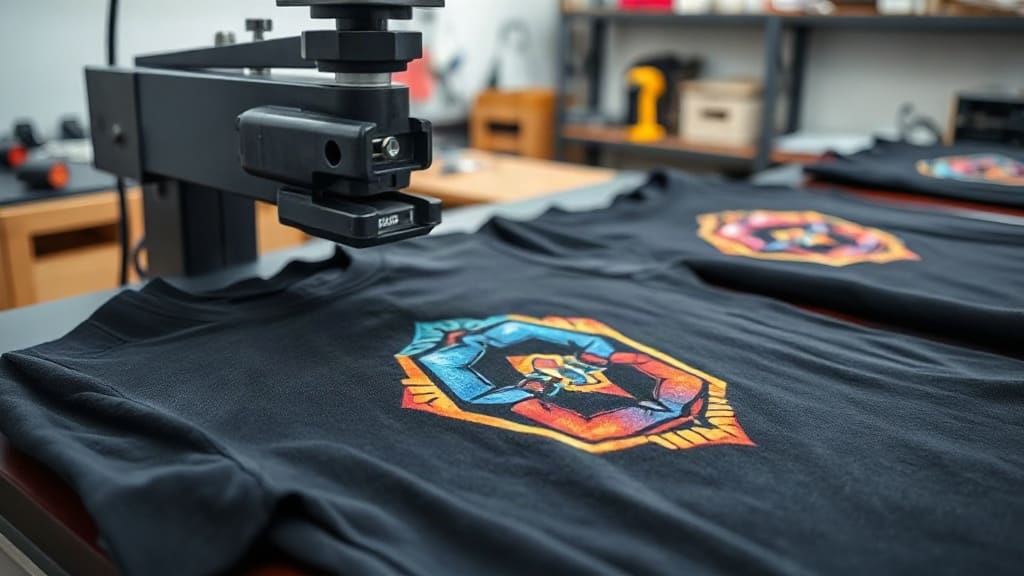
The process starts with a digital design. A specialized inkjet printer prints the design in reverse onto the film. While the ink is still wet, a hot-melt adhesive powder is applied to the film. The powder is then melted and cured, creating a strong bond with the ink. The film is then cut to size, and it's ready for heat transfer. To apply, you simply place the film on your garment, apply heat and pressure with a heat press, and then peel the film away to reveal a vibrant, durable print.
Why Choose DTF Transfers Over Other Methods?
There are several reasons why DTF is gaining popularity. First, the prints are incredibly soft and stretchable, making them ideal for sportswear and everyday t-shirts. Second, they work on a wide range of fabrics, including cotton, polyester, blends, and even nylon. Third, the colors are vibrant and can include intricate details, gradients, and even white ink for printing on dark garments. Plus, the setup is simple and requires no screens or complex registration, which saves time and money.
Advantages of DTF Transfers
- No minimum order quantities: Print as little as one piece.
- Versatile fabric compatibility: Works on most textiles.
- Excellent washability: Prints can withstand repeated washing without cracking or fading.
- Time-efficient: Once the design is ready, transfers can be produced quickly.
- Cost-effective for small runs: No expensive setup fees.
How to Use DTF Transfers: A Step-by-Step Guide
Using DTF transfers is straightforward, but there are a few key steps to ensure a perfect result every time.
Step 1: Prepare Your Garment
Make sure your garment is clean and free of wrinkles. Pre-pressing it for a few seconds at 320°F (160°C) helps remove moisture and ensures a smooth surface.
Step 2: Position the Transfer
Peel the backing paper from the DTF film. Place the film onto the garment with the printed side down. Use heat-resistant tape to hold it in place, especially if you're applying to areas like sleeves or collars.
Step 3: Heat Press
Set your heat press to the recommended temperature (usually around 320°F) and apply firm pressure for 10-15 seconds. The exact time may vary depending on your press and the fabric type, so always do a test with a scrap piece first.
Step 4: Peel Hot or Cold
After pressing, you can peel the film either hot (immediately) or cold (after it cools). Hot peel is faster but can sometimes lift ink if not done carefully. Cold peel is safer for intricate designs. Experiment to find what works best for you.
Step 5: Final Press (Optional)
To enhance durability, you can do a second press with a Teflon sheet or parchment paper over the design for a few seconds. This helps the adhesive fully bond.
Finding the Best DTF Transfers Near Me
If you're not interested in investing in a DTF printer, you can purchase ready-to-apply transfers from a supplier. Searching for "DTF transfers near me" can yield local options, but you should also consider online providers that offer fast shipping. When choosing a supplier, look for:
- High-quality prints with vibrant colors and sharp details.
- Good customer reviews and reliable service.
- Competitive pricing and volume discounts.
- Clear instructions for application.
- Wide range of sizes and options (e.g., single color, full color).
One option to consider is DTF Print Go, but be sure to compare multiple sources to find the best fit for your needs.
Tips for Perfect DTF Transfers Every Time
Getting professional-looking results requires attention to detail. Here are some pro tips to help you avoid common pitfalls.
Use the Right Settings
Temperature, pressure, and time are critical. Most DTF transfers work best at 300-330°F (150-165°C) with medium to firm pressure. Use a heat press, not a home iron, for consistent results.
Pre-Treat Your Fabric
While DTF works on many fabrics, pre-treating with a primer can improve adhesion, especially on synthetic materials. Some printers also apply a pre-treatment liquid to the film before pressing, but if you're using pre-made transfers, this is not necessary.
Choose the Right Film
Quality matters. A good film will have a matte finish that helps the adhesive stick, and it should be thick enough to handle without tearing.
Handle the Transfer with Care
When peeling, do it slowly and evenly to avoid pulling up any ink. If you notice any lifting, place the film back and press again.
Washing Instructions
Advise your customers to wash garments inside out in cold water and avoid using bleach or fabric softeners. Hang drying is best to prolong the life of the print.
Common Mistakes to Avoid with DTF Transfers
Even experienced printers make mistakes. Here are the most common ones to watch out for:
- Not using enough pressure, leading to poor adhesion.
- Too high or too low temperature, causing cracking or incomplete transfer.
- Peeling too quickly, especially on large solid areas.
- Using a garment with print residue or chemicals.
- Skipping the test print.
DTF Transfers vs. Other Printing Methods
To decide if DTF is right for you, it helps to compare it with other popular techniques.
DTF vs. Screen Printing
Screen printing is great for large orders with simple designs, but it requires setup and is costlier for small runs. DTF offers full-color prints without setup, making it perfect for small batches and prototypes.
DTF vs. Vinyl
Vinyl is durable but only supports solid colors and is not suitable for detailed designs. DTF can produce gradient and photographic images with a similar durability.
DTF vs. Sublimation
Sublimation works only on polyester, while DTF works on cotton and blends. DTF also produces brighter colors on dark garments, something sublimation cannot do.
Applications and Creative Uses of DTF Transfers
The versatility of DTF opens up endless possibilities. Here are some creative ways to use them:
- Custom t-shirts for events, teams, or businesses.
- Personalized tote bags and accessories.
- Sports jerseys and performance wear.
- Decorative pillows and home textiles.
- Promotional products and giveaways.
- Art prints and craft projects.
Cost Considerations and Return on Investment
One of the biggest advantages of DTF is its affordability for short runs. While the initial investment in a DTF printer can be high (ranging from $2,000 to $10,000), the per-print cost is low, especially when you factor in the time saved. For those just starting, using a DTF transfer service can be a low-risk way to test the market without capital expenditure.
Frequently Asked Questions
Can DTF transfers be used on any fabric?
DTF works best on cotton, polyester, and blends. It can also be used on nylon and other synthetics, but you may need to adjust temperature and pressure. Always test on a sample first.
How long do DTF transfers last?
With proper application and care, DTF transfers can last for many washes. The print remains vibrant and does not crack or peel easily, even after 50+ washes.
What equipment do I need to apply DTF transfers?
You'll need a heat press machine. While a home iron might work in a pinch, a heat press ensures even pressure and temperature, which is crucial for a professional finish.
Can I use DTF transfers on dark-colored garments?
Yes, DTF is excellent for dark fabrics because it includes a white ink base that makes colors pop. This is a major advantage over many other printing methods.
Are DTF transfers eco-friendly?
DTF printing uses eco-solvent and water-based inks, which are less harmful than some traditional methods. However, the film and adhesive powder are not biodegradable, so proper disposal is important.
Final Thoughts
DTF transfers have revolutionized the custom printing industry, offering an accessible, high-quality solution for everyone from DIYers to established businesses. By understanding the process and following best practices, you can create stunning, durable prints that will impress your customers. Whether you choose to invest in your own printer or use a professional service like those you find when searching for "DTF transfers near me", the possibilities are endless. So go ahead, unleash your creativity, and give your garments a professional edge with DTF technology.