
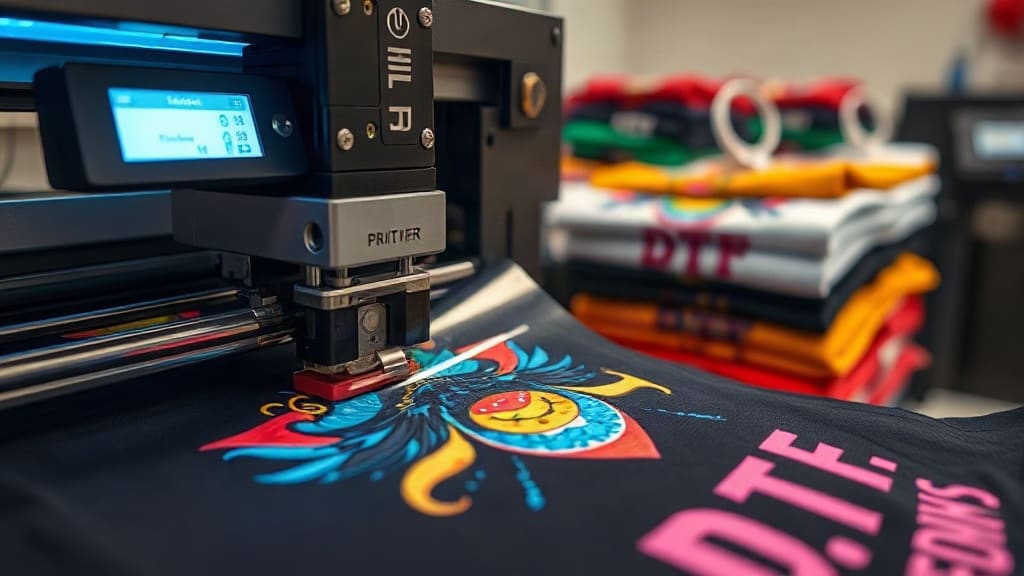
Direct to film, commonly known as DTF transfers, has revolutionized the custom printing industry. Whether you're a small business owner or a hobbyist, this method offers a versatile and cost-effective way to create vibrant, durable designs on a wide range of fabrics. In this comprehensive guide, we'll dive deep into the world of DTF, exploring its process, benefits, and how you can leverage it for your projects.
What Are DTF Transfers?
DTF transfers involve printing a design onto a special PET film using a DTF printer, then applying adhesive powder onto the ink, and finally heat-pressing the film onto a substrate. The result is a vibrant, stretchable, and wash-resistant print that can be applied to cotton, polyester, blends, and even hard surfaces like mugs and tumblers. This technology bridges the gap between traditional screen printing and digital printing, offering an efficient solution for both small runs and large orders.
How Do DTF Transfers Work?
The process might seem complex, but it's surprisingly straightforward. Let's break it down step by step:
- Design Creation: You start with a digital design using software like Photoshop or Illustrator. The design should be in CMYK or RGB color mode, and you'll need to mirror it before printing.
- Printing: The design is printed onto a PET film with a specialized printer that uses DTF inks. These inks are specially formulated for high opacity and flexibility.
- Powder Application: After printing, a hot-melt adhesive powder is applied to the wet ink. This powder is what allows the transfer to bond with the fabric.
- Curing: The film is passed through a curing oven or heat press to melt the powder, creating a strong adhesive layer.
- Application: The transfer is placed on the fabric, adhesive side down, and heat pressed at high temperature and pressure. After pressing, you peel off the film, revealing your design.
It's a simple process that yields professional results, making it ideal for producing custom t-shirts, hoodies, tote bags, and more.
Benefits of Using DTF Transfers
Why have DTF transfers become so popular? Here are some compelling advantages:
- Versatility: DTF works on nearly any fabric, including cotton, polyester, silk, nylon, and blends. You can also print on items like caps, bags, and even mousepads.
- Vibrant Colors: The ink used in DTF produces bright, opaque colors that stand out, especially on dark fabrics. There's no need for a white underbase, as the ink itself is white and acts as a base.
- Soft Hand Feel: Unlike screen printing, DTF prints have a soft, flexible texture that doesn't crack or peel easily. They feel great to the touch and are comfortable to wear.
- Cost-Effective for Small Runs: With no setup fees and minimal waste, DTF is perfect for on-demand printing and small bulk orders.
- Durability: When applied correctly, DTF prints can withstand multiple washes without fading or cracking. They're built to last.
DTF Transfers vs. Other Printing Methods
To appreciate DTF, it helps to compare it with other common methods like screen printing, DTG (direct-to-garment), and vinyl cutting.
DTF vs. Screen Printing
Screen printing is great for large quantities of simple designs, but it requires significant setup time and cost. DTF offers a quicker turnaround and is more flexible for varied designs. For small to medium runs, DTF is often more efficient.
DTF vs. DTG
DTG is excellent for detailed, full-color prints on cotton, but it's slower and requires a pretreating liquid. DTF, on the other hand, can print on polyester and other synthetics that DTG struggles with. Additionally, DTF transfers can be produced in advance and applied later, making them ideal for bulk orders.
DTF vs. Vinyl
Vinyl cutting is limited to solid colors and simple shapes. It's not suitable for intricate designs with gradients or photorealistic details. DTF handles complex graphics with ease, offering a higher level of detail.
In summary, DTF combines the best of both worlds: the versatility of digital printing with the durability of traditional methods.
How to Choose the Right DTF Transfer Supplier
If you're considering using DTF transfers for your business, selecting a reliable supplier is crucial. Here are some tips:
- Quality of Materials: Look for suppliers who use premium films, inks, and powders. This affects the print quality and durability.
- Print Resolution: Ensure they can produce high-resolution prints with crisp details and accurate colors.
- Turnaround Time: Check their production and shipping times to ensure they meet your deadlines.
- Customer Support: A good supplier should offer excellent customer service and be willing to answer your questions.
- Pricing: Compare prices among suppliers, but don't compromise on quality for a lower cost.
One such supplier that has earned a reputation for quality is DTF Print Go. They offer a range of DTF transfer services, including custom prints and wholesale options.
Tips for Perfect DTF Transfers
To ensure your DTF transfers come out flawless every time, keep these expert tips in mind:
- Use High-Resolution Designs: Low-res images will look blurry. Always use vector files or high-dpi raster images (300 dpi) for best results.
- Pre-Press Your Fabric: Before applying the transfer, pre-press the fabric for 2-3 seconds to remove moisture and wrinkles. This ensures a smooth application.
- Maintain Consistent Temperature and Pressure: Most DTF films require around 320°F (160°C) and medium to firm pressure. Check your film's specifications.
- Peel When Cold or Hot? Follow the instructions of your film. Some require hot peeling, while others need to cool down. The wrong peel can ruin the print.
- Test on Scrap Fabric: Always do a test print on a sample piece before committing to the final product. This helps you adjust settings if needed.
By paying attention to these details, you'll achieve professional results that impress your customers.
Sustainability and DTF Transfers
In today's eco-conscious market, many business owners wonder about the environmental impact of DTF. The good news is that DTF produces less waste compared to screen printing, as it doesn't require screens or extensive setup. Also, water is not used in the printing process, which saves resources. However, the PET film and adhesive powder are not biodegradable, so it's essential to dispose of them properly. Some suppliers offer recycled film options, and you can also consider using eco-friendly inks. By choosing responsible practices, you can minimize your carbon footprint while enjoying the benefits of DTF.
Frequently Asked Questions About DTF Transfers
Can DTF transfers be used on any color fabric?
Yes, DTF transfers work on both light and dark fabrics. The white ink layer acts as a base, ensuring that colors remain vibrant and opaque even on black shirts.
How long do DTF transfers last?
With proper application and care, DTF transfers can last as long as the garment itself. They can withstand numerous washes without cracking or fading, making them a durable choice.
Are DTF transfers safe for all types of garments?
DTF is safe for most fabrics, including cotton, polyester, and blends. However, it's always best to test on a small area first, especially for delicate fabrics like silk, to ensure the heat doesn't damage them.
Can I use DTF transfers for small orders?
Absolutely! DTF is perfect for small orders because there are no setup costs. You can order just a few transfers or even a single one, making it ideal for personalized items.
How do I care for garments with DTF transfers?
To maintain the quality of your DTF print, wash the garment inside out in cold water and avoid using bleach. Tumble dry on low heat or hang to dry. Also, avoid ironing directly on the design; if necessary, place a cloth over it.
Conclusion
DTF transfers offer a remarkable solution for custom printing, combining ease of use, versatility, and durability. Whether you're creating custom apparel for your brand or fulfilling orders for clients, DTF is a technique worth mastering. By understanding the process, benefits, and best practices, you can produce stunning prints that last. As the industry evolves, DTF is poised to become even more prominent, so now is the perfect time to embrace it.
If you're ready to start your journey with custom transfers, consider partnering with a trusted provider like DTF Print Go. Their expertise and quality products ensure you get the best results for your projects. Happy printing!