
If you're in the custom printing world, you've likely heard about DTF transfers. But what exactly are they, and why are they becoming so popular? In this guide, we'll dive deep into the world of DTF (Direct to Film) printing, explaining how it works, its advantages, and how you can use it to create stunning custom apparel and accessories. Whether you're a business owner looking to expand your product line or a hobbyist exploring new techniques, this guide will give you the knowledge you need to get started.
What Are DTF Transfers?
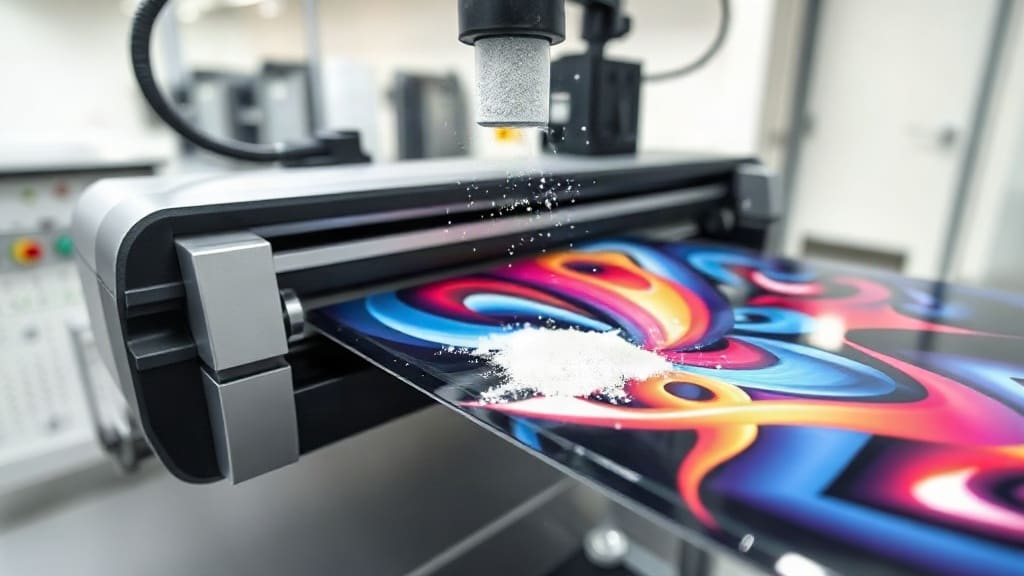
DTF transfers are a method of printing custom designs onto a special film, which is then transferred to fabric using a heat press. Unlike traditional screen printing or heat transfer vinyl, DTF allows for vibrant, detailed prints on a wide range of materials, including cotton, polyester, blends, and even leather. The process involves printing a design in reverse onto a PET film using a special DTF printer and water-based inks, then applying adhesive powder to the wet ink. Once the powder is cured, the film is ready to be pressed onto the garment.
How Do DTF Transfers Work?
The DTF process starts with a design file, which is printed onto a special film using a DTF printer. The printer uses CMYK plus white ink to create a base layer that makes colors pop on dark fabrics. After printing, a hot-melt adhesive powder is applied to the wet film, and the film is then heated to cure the powder. This creates a strong bond between the ink and the film, which will later adhere to the fabric when heat-pressed.
Here's a step-by-step breakdown:
- Design: Create or choose a design and ensure it's in the correct format (PNG, PDF, etc.) with a transparent background.
- Print: Use a DTF printer to print the design onto the film, first laying down white ink, then the colored inks.
- Adhesive powder: While the ink is still wet, apply an even layer of adhesive powder over the entire print.
- Cure: Pass the film through a curing oven or use a heat press to melt and activate the powder.
- Transfer: Place the film design-side down on the garment and press with a heat press at around 300°F (150°C) for 15-20 seconds.
- Peel: Allow the garment to cool slightly, then peel off the film to reveal your print.
DTF Transfers vs. Other Methods
Understanding how DTF transfers compare to other custom printing methods can help you choose the right one for your needs. Here's a quick comparison:
DTF vs. Screen Printing
Screen printing is great for large batches of simple designs, but it requires a setup process and is less cost-effective for small orders. DTF offers more flexibility, allowing you to print full-color designs with gradients and details without extra setup costs. DTF is also better for on-demand printing and small quantities.
DTF vs. Heat Transfer Vinyl (HTV)
HTV is ideal for simple cut designs and single-color text, but it's not suitable for complex, multi-colored graphics. DTF transfers can reproduce intricate designs with ease, making them a superior choice for detailed artwork. DTF prints also have a softer feel and better durability than HTV.
DTF vs. Direct-to-Garment (DTG)
DTG printing directly onto the garment is great for high-quality prints on cotton, but it can be slow and requires expensive equipment. DTF transfers offer a faster production time and can be used on a wider variety of materials, including polyester and blends, without pre-treatment. Additionally, DTF prints can be stored and applied later, making them convenient for bulk orders.
Why Choose DTF Transfers?
DTF transfers offer numerous benefits that make them an attractive option for both businesses and individuals:
- Versatility: They work on almost any fabric, including cotton, polyester, nylon, and even leather.
- Vibrant Colors: The white ink base ensures that colors remain bright and saturated, even on dark garments.
- Durability: DTF prints are resistant to cracking, peeling, and washing, lasting as long as the garment itself.
- Soft Hand Feel: The prints are smooth and flexible, not stiff or heavy like some other transfer methods.
- Cost-Effective: No screen or stencil setup means lower costs for small runs and prototypes.
- Ease of Use: Once you have the equipment, the process is straightforward and can be done in your own workspace.
Tips for Ordering DTF Transfers
If you don't have the equipment to make your own DTF transfers, you can order them from a service like dtfprintgo.com. Here are some tips to ensure you get the best results:
- File Preparation: Make sure your design is high-resolution (at least 300 DPI) and has a transparent background. Avoid thin lines and small text, as they may not transfer well.
- Color Accuracy: Since DTF uses CMYK, colors may not exactly match your screen. Request a proof if color accuracy is crucial.
- Test Prints: Order a sample before committing to a large batch to check the quality and colors.
- Consider the Substrate: Different fabrics require slightly different press times and temperatures. Always test on a scrap piece if possible.
- Care Instructions: Advise your customers to wash garments inside out in cold water and avoid harsh detergents to extend the life of the print.
Creative Uses for DTF Transfers
The possibilities with DTF transfers are endless. Here are some creative ideas to inspire you:
- Custom Apparel: Create unique t-shirts, hoodies, and sweatshirts for your brand, team, or event.
- Accessories: Transfer designs onto bags, hats, and even shoes to add a personal touch.
- Promotional Products: Make branded items like tote bags or aprons for giveaways or corporate gifts.
- Decor: Print custom designs on pillows, towels, or tablecloths to spruce up your home.
- Small Business: Offer DTF printing services to other businesses, such as sports teams, schools, or local shops.
How to Get Started with DTF Transfers
Ready to dive into the world of DTF transfers? Here's what you need to begin:
- Equipment: A DTF printer (or a compatible inkjet printer converted to DTF), DTF film, adhesive powder, and a heat press.
- Software: Design software like Adobe Illustrator or Photoshop, or free alternatives like GIMP.
- Supplies: High-quality DTF inks and film from a reputable supplier.
- Practice: Start with simple designs to master the technique before tackling complex projects.
Alternatively, you can start by ordering DTF transfers from a professional service like dtfprintgo.com. This allows you to test the waters without a large investment in equipment.
Common Mistakes to Avoid
Even experienced printers can make mistakes. Here are some common pitfalls to avoid when working with DTF transfers:
- Incorrect Temperature: Pressing at the wrong temperature can result in poor adhesion or scorching. Use a thermometer to verify your heat press temperature.
- Not Enough Pressure: If the pressure is too low, the adhesive won't bond properly. Make sure your press applies even, firm pressure.
- Rushing the Cure: The adhesive powder must be fully cured before storing or using the transfer. If not, the powder can flake off.
- Skipping Test Presses: Always do a test press on a scrap fabric to ensure your settings are correct.
- Ignoring Fabric Type: Different fabrics can react differently to heat. Adjust your settings accordingly.
Frequently Asked Questions
Can DTF transfers be used on dark fabrics?
Yes, DTF transfers are excellent for dark fabrics because they include a white ink base that prints first, ensuring that the colors remain vibrant and opaque. This is a significant advantage over some other printing methods that require a special treatment for dark colors.
How long do DTF prints last?
With proper care, DTF prints can last as long as the garment itself. They are resistant to cracking, peeling, and fading, and can withstand many washes without significant deterioration. Washing inside out in cold water and avoiding direct heat from dryers will help extend the life of the print.
What is the best resolution for DTF transfers?
For the best results, your design should be at least 300 DPI. This ensures that the printed image is sharp and detailed. If your design is low-resolution, it may appear pixelated or blurry on the final product.
Can I use DTF transfers on polyester?
Yes, DTF transfers can be used on polyester and blends. However, you may need to adjust the pressing temperature and time to prevent damage to the fabric. Always test on a small area first to ensure the fabric can withstand the heat.
How do I remove a DTF transfer if I make a mistake?
If you make a mistake during application, you can try reheating the area with a heat press and peeling the transfer off while it's still hot. However, this can be tricky and may leave residue. It's better to practice on scrap materials to avoid mistakes on final products.
Conclusion
DTF transfers have revolutionized the custom printing industry, offering a versatile, cost-effective, and high-quality solution for creating custom apparel and accessories. Whether you're a seasoned pro or just starting out, DTF technology is worth exploring. With the right equipment or a trusted printing partner, you can bring your creative visions to life. So why wait? Dive into the world of DTF and start creating today!