
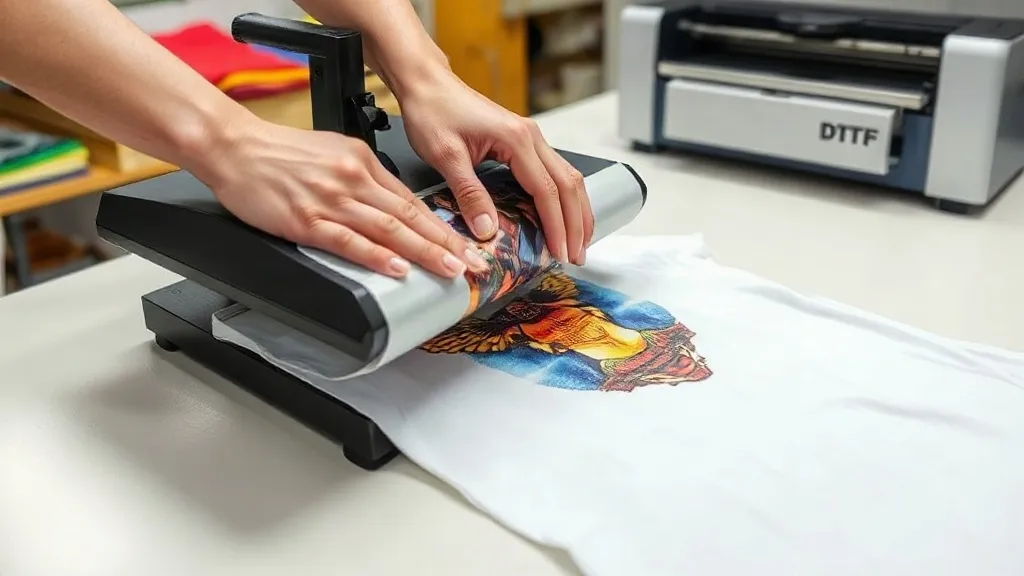
If you've been exploring custom apparel printing, you've likely heard about dtf transfers. This method has quickly become a favorite among hobbyists and professionals alike for its versatility and vibrant results. Unlike other printing techniques that require specific fabrics or extensive prep, DTF (Direct to Film) transfers offer a straightforward way to add detailed, colorful designs to almost any material. In this guide, we'll walk you through everything you need to know to get started with DTF printing, from understanding the process to applying transfers like a pro.
What Are DTF Transfers?
DTF stands for Direct to Film. It's a printing technology where your design is printed onto a special film, coated with a powder adhesive, and then heat-pressed onto fabric. The magic of dtf is that it works on a wide range of materials, including cotton, polyester, blends, and even some synthetics that traditional heat transfer vinyl (HTV) struggles with. The process involves printing a mirror image of your design onto the film using specialized DTF inks, applying a thermoplastic polyurethane (TPU) powder while the ink is still wet, and then curing the powder to create a durable, stretchable transfer.
Why Choose DTF Transfers?
There are several reasons why DTF transfers have gained such popularity. First, they eliminate the need for weeding, which is a time-consuming and often frustrating step in HTV projects. Second, DTF transfers can handle intricate details, gradients, and photorealistic images with ease, making them ideal for complex designs. Third, they are incredibly durable; when applied correctly, the prints withstand repeated washing without fading or cracking. Finally, DTF transfers are cost-effective for small businesses and hobbyists because you can produce high-quality prints without investing in expensive screen printing equipment.
The DTF Printing Process Explained
Understanding how DTF transfers are made helps you appreciate the importance of each step in the application process. Here's a breakdown of the production cycle:
- Design Preparation: Your artwork is prepared digitally, ensuring it's mirrored and sized appropriately.
- Printing: A DTF printer lays down layers of white ink (for opacity) and color inks onto a PET film.
- Powdering: While the ink is still wet, TPU adhesive powder is sprinkled evenly over the design.
- Curing: The film passes through a curing oven or is heated to melt the powder, creating a solid adhesive layer.
- Transfer: The cured film is then ready to be heat-pressed onto fabric.
Each step requires precision, but once you have a finished DTF transfer, applying it is surprisingly simple.
How to Apply DTF Transfers: Step-by-Step
Applying a DTF transfer correctly is crucial for a wash-durable, professional-looking result. Follow these steps for best results:
1. Preheat Your Heat Press
Set your heat press to 325°F (160°C) and preheat the garment for 5-10 seconds to remove moisture and wrinkles. This ensures the transfer adheres evenly.
2. Position the Transfer
Place the DTF transfer on the garment with the printed side facing up. The film should be on top, with the design touching the fabric.
3. Press with Medium Pressure
Cover the transfer with a Teflon sheet or parchment paper and press for 15-20 seconds with medium pressure. Avoid excessive pressure, which can cause the design to spread.
4. Peel the Film
Wait until the transfer is completely cool before peeling away the film. Peeling while hot can distort the design. Peel slowly and at a low angle.
5. Post-Press for Durability
For added durability, cover the design with parchment paper and press again for 5-10 seconds. This helps the adhesive fully bond with the fabric fibers.
Tips for Perfect DTF Transfers
Even with a straightforward process, small details can make a big difference. Keep these tips in mind:
- Fabric Matters: While DTF works on many fabrics, tightly woven materials like cotton yield the best results. For stretchy fabrics, use a lower temperature and stretch the garment slightly during pressing.
- Storage: Store unused DTF transfers in a cool, dry place away from direct sunlight to prevent the adhesive from degrading.
- Testing: Always do a test press on a scrap piece of fabric to dial in your press settings.
- Wash Care: Wait at least 24 hours after application before washing. Turn the garment inside out and use cold water; avoid bleach and fabric softeners.
Finding Quality DTF Transfers
When sourcing DTF transfers, quality is key. Poorly printed transfers can result in dull colors, cracking, or premature fading. Look for suppliers who use high-quality inks and films, and who provide clear instructions. If you're searching for dtf transfers near me, consider online retailers that specialize in DTF products. They often offer a wide range of designs, custom printing services, and fast shipping. Reading reviews and checking samples can help you avoid disappointment.
Common Mistakes to Avoid
Even experienced crafters can run into issues. Here are some pitfalls to watch out for:
- Pressing at the wrong temperature: Too hot and the film may melt; too cold and the adhesive won't activate.
- Peeling too soon: Patience is crucial; always wait for the transfer to cool completely.
- Using too much pressure: This can cause the design to spread and lose detail.
- Ignoring fabric type: Some fabrics, like nylon, may require lower temperatures or special handling.
By avoiding these common errors, you'll achieve consistent, professional results.
Frequently Asked Questions
Can I use DTF transfers on dark fabrics?
Yes, DTF transfers are excellent for dark fabrics because they include a white ink layer that provides opacity, ensuring your design pops regardless of the background color.
How long do DTF transfers last?
With proper application and care, DTF transfers can last as long as the garment itself. They are highly durable and resistant to cracking and fading, even after multiple washes.
Do I need a special printer for DTF transfers?
Yes, DTF printing requires a dedicated DTF printer that uses DTF inks and films. However, if you're only applying transfers, you don't need a printer; you can purchase pre-printed transfers from suppliers.
Can I stretch the fabric after applying a DTF transfer?
DTF transfers are flexible and can stretch with the fabric, making them suitable for athletic wear and stretchy materials. However, avoid excessive stretching immediately after application to allow the adhesive to fully set.
What is the best way to store DTF transfers?
Store them flat in a cool, dry place, away from direct sunlight and moisture. Avoid folding or creasing the transfers, as this can damage the adhesive layer.
DTF transfers have revolutionized the world of custom apparel, offering unparalleled versatility and ease of use. Whether you're a small business owner looking to expand your product line or a hobbyist wanting to create personalized gifts, mastering DTF transfers opens up a world of creative possibilities. With the right techniques and a bit of practice, you'll be producing vibrant, long-lasting prints that impress.