
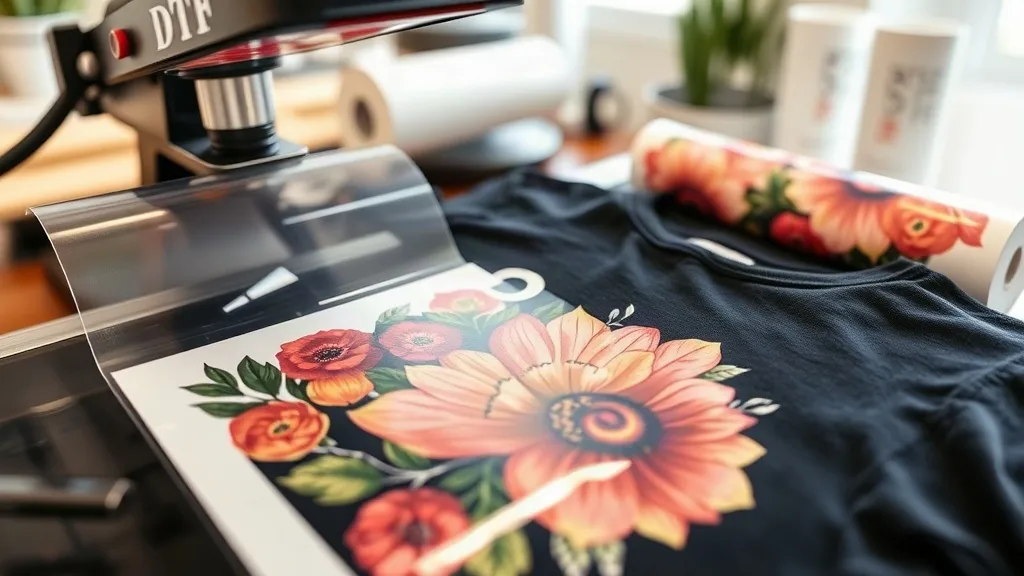
If you've been exploring custom apparel printing, you've likely come across dtf transfers as a rising star in the industry. Unlike traditional methods that require specialized equipment or lengthy processes, DTF (Direct to Film) printing offers a versatile and accessible way to bring your designs to life on fabric. In this guide, we'll walk you through everything you need to know about DTF transfers, from the basics to pro tips, so you can achieve stunning results whether you're a hobbyist or a small business owner.
What Are DTF Transfers?
DTF transfers are a type of heat-applied decal used to decorate textiles. The process involves printing your design onto a special film using a DTF printer, then applying it to fabric with a heat press. What sets DTF apart is its ability to print on a wide range of materials, including cotton, polyester, blends, and even some synthetics, without the need for pre-treatment. The design is printed with water-based pigments onto a film, dusted with a hot-melt adhesive powder, and then cured. When you're ready to apply it, you simply place the transfer on your garment and press it with heat.
Why Choose DTF Transfers?
There are several reasons why dtf transfers have gained popularity among crafters and professionals alike:
- Versatility: Works on almost any fabric, including dark and light colors, without the need for special coatings.
- Durability: When applied correctly, DTF transfers are highly durable and can withstand repeated washing without fading or cracking.
- Fine Details: DTF printing captures intricate details and gradients beautifully, making it ideal for complex designs.
- Cost-Effective: No need for expensive screen setups or minimum order quantities; you can print one-offs or small batches efficiently.
- Eco-Friendly: Water-based inks and the absence of harsh chemicals make DTF a more environmentally friendly option compared to some other methods.
The DTF Transfer Process Step by Step
Understanding the process helps you troubleshoot and achieve consistent results. Here's a breakdown of the key steps:
1. Design Preparation
Start with a high-resolution image. DTF printers can handle detailed artwork, but ensure your design is at least 300 DPI for crisp output. Remember to mirror your design horizontally before printing, as the transfer will be flipped when applied.
2. Printing
Load the DTF film into your printer and print the design using DTF inks. The printer lays down a layer of white ink first (if needed) followed by color inks. This white layer is crucial for opacity on dark fabrics.
3. Powder Application
While the ink is still wet, apply the hot-melt adhesive powder evenly over the printed area. Shake off excess powder and ensure an even coat.
4. Curing
Place the film in a curing oven or use a heat press to melt the powder. This step activates the adhesive and ensures the transfer will bond properly to the fabric.
5. Heat Pressing
Once cured, the transfer is ready to apply. Set your heat press to the recommended temperature (usually around 300-320°F or 150-160°C) and press for 10-15 seconds with medium pressure. Peel the film while it's still warm for a smooth finish.
Tips for Successful DTF Application
To get the best results, keep these tips in mind:
- Pre-press your garment: This removes moisture and wrinkles, ensuring a smooth surface for adhesion.
- Use the right pressure: Too little pressure results in poor adhesion; too much can cause the design to spread. Experiment to find the sweet spot.
- Cool peel vs. hot peel: Some films are designed for hot peel, others for cold. Follow the manufacturer's instructions for your specific film.
- Wash inside out: To prolong the life of your DTF transfer, wash garments inside out in cold water and avoid harsh detergents.
Common Applications of DTF Transfers
DTF transfers are incredibly versatile and can be used for a wide range of projects:
- Custom t-shirts, hoodies, and sweatshirts
- Sports jerseys and team uniforms
- Promotional merchandise and corporate gifts
- Personalized tote bags and accessories
- Home textiles like pillowcases and aprons
If you're looking for dtf transfers near me, you'll be pleased to know that many local print shops and online services offer DTF printing, making it easy to get started.
Choosing the Right DTF Supplies
Quality supplies make a big difference. Invest in a reliable DTF printer, high-quality films, and inks specifically formulated for DTF. The powder should be fine and evenly graded to ensure smooth melting. Also, consider the type of film: cold-peel films are easier for beginners, while hot-peel films can be faster for production. Always test new supplies on scrap fabric to dial in your settings.
DTF vs. Other Printing Methods
How does DTF stack up against other popular techniques?
- DTF vs. DTG: DTG (Direct to Garment) requires pre-treatment and works best on 100% cotton. DTF is more versatile and often more cost-effective for small runs.
- DTF vs. Screen Printing: Screen printing is economical for large orders but requires setup and is limited to certain inks. DTF excels for detailed, multi-color designs without setup costs.
- DTF vs. Vinyl: Heat transfer vinyl (HTV) is great for simple shapes but can't handle complex gradients. DTF handles full-color images with ease.
Frequently Asked Questions
What fabrics can I use with DTF transfers?
DTF transfers work on a wide range of fabrics, including cotton, polyester, blends, and even some synthetic materials like nylon. They are particularly effective on dark colors because of the white ink layer.
How long do DTF transfers last?
With proper application and care, DTF transfers can last as long as the garment itself. They are resistant to cracking, peeling, and fading, even after multiple washes.
Do I need a special printer for DTF?
Yes, DTF printing requires a DTF printer that uses DTF inks and can handle the film. However, you can also purchase pre-printed DTF transfers from suppliers if you don't want to invest in a printer.
Can I use DTF transfers on 100% cotton?
Absolutely. DTF transfers adhere well to 100% cotton and other natural fibers. The key is to follow the correct heat press settings for the fabric type.
Is DTF printing safe for the environment?
DTF printing is generally considered more eco-friendly than some other methods because it uses water-based inks and doesn't require harsh chemicals. However, always dispose of waste responsibly.
Whether you're a DIY enthusiast or a business looking to expand your product offerings, DTF transfers provide a reliable and versatile solution for custom apparel. With the right knowledge and supplies, you can achieve professional-quality results that impress your customers.