
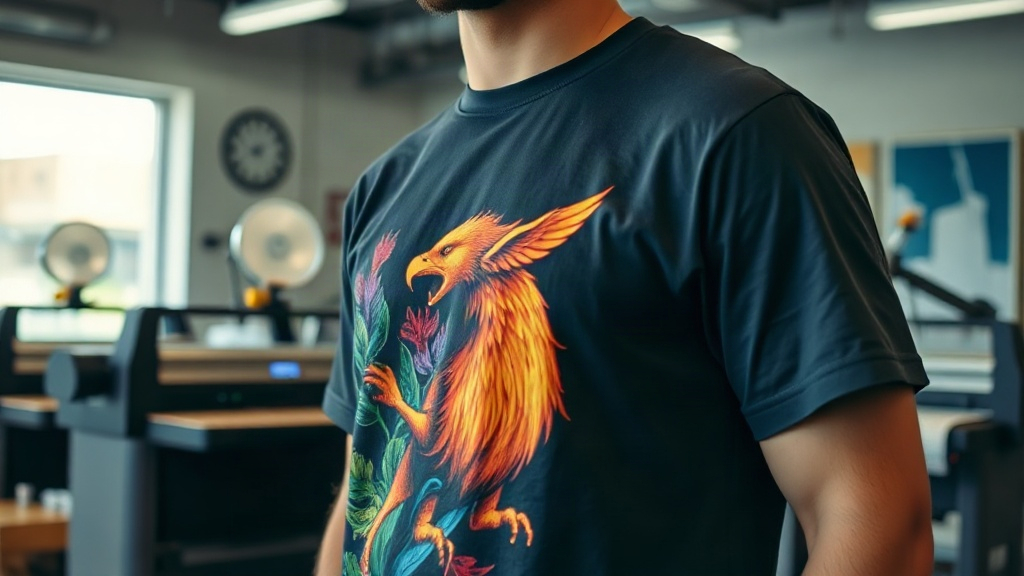
When you think of printing on cotton, you might picture screen printing or heat transfers that crack or fade. But there's a newer player in town: DTF printing. Short for Direct to Film, this technique has taken the custom apparel world by storm, and for good reason. It allows you to print intricate, full-color designs onto cotton fabrics with remarkable ease and durability. Whether you're a small business owner, a hobbyist, or just curious about the latest in garment decoration, understanding DTF printing on cotton can open up a world of possibilities.
What Exactly Is DTF Printing?
DTF printing stands for Direct to Film. The process involves printing your design onto a special film using a DTF printer, which uses pigment-based inks. After printing, a hot melt adhesive powder is applied to the wet ink. The powder sticks to the ink, and then the film is cured. Once cured, the design is ready to be transferred onto fabric using a heat press. The film is peeled away, leaving the design bonded to the garment. Unlike DTG (Direct to Garment) printing, which prints directly onto the fabric, DTF printing transfers the design from film to fabric. This key difference makes DTF incredibly versatile because it works on a wide range of materials, including cotton, polyester, blends, and even nylon.
Why Cotton Loves DTF Printing
Cotton is a natural fiber that has been a staple in the textile industry for centuries. It's breathable, soft, and takes dyes well. However, not all printing methods play nicely with cotton. For instance, DTG printing requires a pretreatment solution for cotton to ensure the ink adheres properly, and it can be finicky with dark colors. Screen printing is great for bulk orders but not cost-effective for small runs or complex designs. DTF printing, on the other hand, handles cotton like a champ. Here's why:
1. No Pretreatment Needed
One of the biggest advantages of DTF printing on cotton is that you don't need to pretreat the fabric. This saves time and money, and eliminates the risk of uneven pretreatment causing blotchy prints. Simply heat press the DTF transfer onto your cotton garment, and you're done.
2. Exceptional Detail and Color
DTF printing excels at reproducing fine details, gradients, and photographic images. Because the design is printed on film first, you can achieve high resolution that might be difficult with other methods on cotton. Plus, the color vibrancy is outstanding, even on dark cottons.
3. Durability
When applied correctly, DTF transfers on cotton are extremely durable. They withstand repeated washing without cracking, peeling, or fading. This is because the adhesive powder forms a strong bond with the fabric fibers, and the ink is flexible.
4. Works on Blends
Many cotton garments are actually blends, like 50/50 cotton-polyester. DTF printing works beautifully on blends, whereas some other methods struggle. So whether you're printing on 100% cotton or a blend, DTF has you covered.
The DTF Printing Process on Cotton: Step by Step
Curious about how it all comes together? Here's a detailed walkthrough of the DTF printing process specifically for cotton fabrics.
Step 1: Design Preparation
Start with a high-resolution image. Remember that DTF printing can handle intricate details, so don't be afraid to include fine lines or small text. However, ensure your design is mirrored (flipped horizontally) before printing, as the film will be pressed face-down onto the fabric.
Step 2: Printing the Design
Load the DTF film into your printer. The printer lays down a layer of white ink first (if printing on dark fabrics) followed by the color inks. This white layer acts as a base to make colors pop. The printer then prints the design onto the film.
Step 3: Applying Adhesive Powder
While the ink is still wet, sprinkle the hot melt adhesive powder evenly over the printed design. Shake off the excess. The powder should stick only to the inked areas.
Step 4: Curing the Powder
Place the film with the powder into a curing oven or under a heat source. The powder melts and forms a smooth, clear adhesive layer. This step is crucial; under-curing can lead to poor adhesion, while over-curing can cause the film to warp.
Step 5: Heat Pressing onto Cotton
Set your heat press to the recommended temperature (usually around 320°F to 350°F) and pressure. Place the DTF transfer onto the cotton garment with the adhesive side down. Press for 10-15 seconds.
Step 6: Peeling and Finishing
After pressing, allow the transfer to cool completely before peeling off the film. You can peel it either hot or cold, depending on the film type, but cold peel is common for DTF. Once peeled, you'll see a vibrant, detailed design bonded to the cotton. For extra durability, you can press again for a few seconds with a Teflon sheet.
Common Challenges and How to Overcome Them
Even though DTF printing is user-friendly, you might encounter some hiccups. Here are solutions to common issues:
- Adhesive powder not sticking: Ensure your ink is wet enough. If the printer is too slow or the environment is too dry, the ink may dry prematurely. Adjust settings or increase humidity.
- Transfer peeling off after washing: This usually indicates insufficient pressure, temperature, or time during heat pressing. Calibrate your heat press and test.
- Colors look dull: If printing on dark cotton, make sure you have a sufficient white ink layer. Also, check that your printer is using the correct color profile.
- Film curling: Store film in a cool, dry place and avoid exposing it to excessive heat before printing.
DTF vs. Other Printing Methods on Cotton
How does DTF stack up against screen printing, DTG, and vinyl? Let's break it down.
- Screen Printing: Best for large orders of simple designs. Setup costs are high, and it's not cost-effective for small batches or multi-color designs. DTF wins for small runs and complex art.
- DTG: Great for 100% cotton, but requires pretreatment, and colors may not be as vibrant on dark shirts. DTF offers more consistent results on various fabrics.
- Heat Transfer Vinyl (HTV): Good for simple logos and text, but layering multiple colors is time-consuming and the feel can be bulky. DTF allows for full-color, detailed prints with a softer hand.
Overall, DTF printing provides a unique combination of versatility, quality, and ease that makes it ideal for cotton apparel.
Tips for Perfect DTF Printing on Cotton
To get the best results, keep these tips in mind:
- Choose the right cotton: 100% cotton or high-cotton blends work best. Pre-wash to remove sizing for better adhesion.
- Control the environment: Humidity and temperature affect ink and powder. Aim for 50-70% humidity and room temperature.
- Test your heat press: Use a heat gun or temperature strips to verify actual platen temperature.
- Use quality supplies: Cheap film or powder can lead to failures. Invest in reputable brands.
- Practice makes perfect: Before running a big order, do test presses on scrap fabric.
Frequently Asked Questions
Can I use DTF printing on 100% cotton?
Absolutely. DTF printing works excellently on 100% cotton. The adhesive powder bonds well with cotton fibers, and the prints are durable and vibrant. Just ensure proper heat press settings.
How long do DTF prints last on cotton?
With proper application and care, DTF prints can last as long as the garment itself. They withstand dozens of washes without fading or cracking if you follow washing instructions (inside out, cold water, no bleach).
Do I need special ink for DTF printing on cotton?
Yes, DTF printing requires DTF pigment inks, which are different from regular inkjet or DTG inks. These inks are formulated to work with the adhesive powder and film.
Is DTF printing on cotton cost-effective for small businesses?
Yes, DTF printing is very cost-effective for small to medium runs. There's no minimum order quantity, and you can print one-off designs without setup fees, making it perfect for custom orders.
What cotton fabrics are not suitable for DTF printing?
While DTF works on most cottons, very stretchy or loose-knit fabrics may require extra care. Also, fabrics with heavy coatings or finishes might hinder adhesion. Always test first.
Embracing DTF printing for your cotton projects can elevate your creations. With its ability to produce stunning, durable prints on a variety of fabrics, it's a technique worth mastering. So why not give it a try? Your customers will love the results, and you'll love the simplicity.