
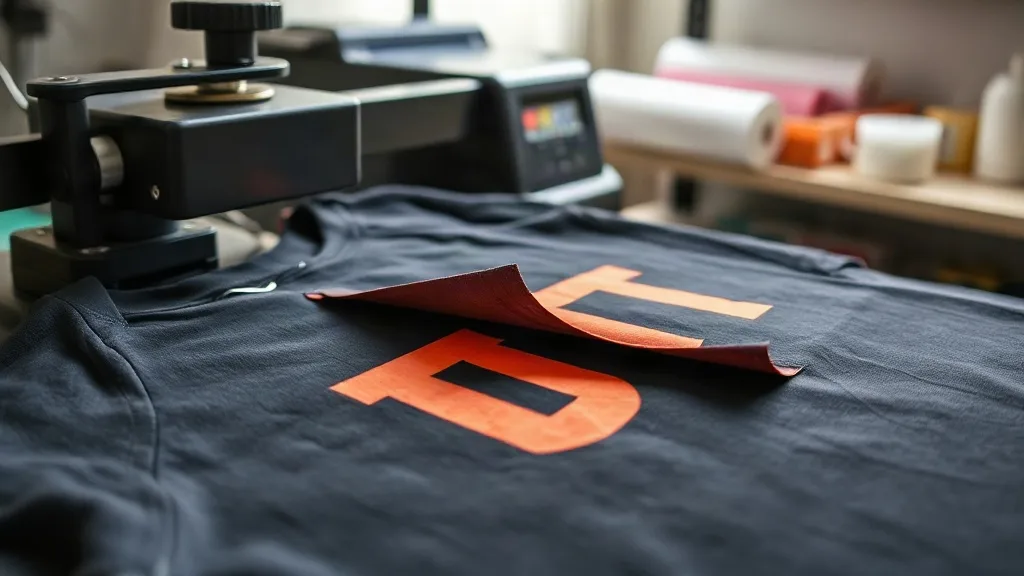
If you've been exploring custom apparel printing, you've likely encountered DTF transfers. This method has rapidly gained popularity for its ability to produce vibrant, detailed prints on a wide range of fabrics without the need for pretreatment or specialized equipment. In this guide, we'll walk you through the entire DTF process, from understanding the technology to applying transfers like a pro. Whether you're a small business owner, a hobbyist, or simply curious about customizing your own clothing, this article will equip you with practical knowledge to achieve professional-looking results.
What Are DTF Transfers?
DTF stands for Direct-to-Film, a printing technology where designs are printed onto a special film, then coated with a powder adhesive and cured. The resulting transfer can be applied to fabrics using a heat press. Unlike DTG (Direct-to-Garment) printing, which requires the garment to be pretreated and is often limited to cotton, DTF transfers work on almost any fabric, including polyester, blends, and even dark colors. This versatility makes dtf transfers a favorite among print shops and DIY enthusiasts.
The DTF Printing Process
The process begins with a digital design, which is printed onto a PET film using specialized DTF inks. These inks are vibrant and durable, capable of reproducing fine details and gradients. After printing, a layer of hot-melt adhesive powder is applied to the wet ink. The film is then cured in an oven or with a heat gun to melt the powder, creating a sticky surface that will bond to fabric during heat pressing. Once cured, the transfer is ready to be stored or applied.
Why Choose DTF Transfers?
There are several reasons why dtf transfers have become a go-to solution for custom printing. First, they offer unmatched versatility: you can apply them to cotton, polyester, nylon, leather, and more. Second, they produce bright, opaque colors even on dark garments, eliminating the need for white underbase. Third, DTF transfers are durable, withstanding multiple washes without fading or cracking. Finally, they are cost-effective for small to medium runs, as no screens or plates are required.
DTF vs. Other Printing Methods
When compared to screen printing, DTF is more accessible for short runs and complex designs. Screen printing requires separate screens for each color, which can be costly for small batches. DTF, on the other hand, handles full-color designs in a single pass. Compared to vinyl cutting, DTF allows for photographic images and gradients without the tedious weeding process. And unlike DTG, DTF doesn't require pretreatment, saving time and equipment costs.
Choosing the Right DTF Supplies
To achieve professional results, you need quality supplies. Here's what to look for:
- DTF Film: Choose a film that is compatible with your printer and offers good ink absorption. Cold-peel films are popular for their ease of use.
- DTF Ink: Use pigment-based inks designed specifically for DTF printing. They should be vibrant and resistant to fading.
- Adhesive Powder: A fine, even powder is crucial for a smooth, strong bond. Avoid clumping by storing it in a dry place.
- Heat Press: A reliable heat press with accurate temperature and pressure control is essential. For DTF, you'll need temperatures around 320°F to 340°F (160°C to 170°C).
When sourcing supplies, consider reputable suppliers who specialize in DTF materials. If you're looking for dtf transfers near me, check local print shops or online retailers that offer ready-to-press transfers.
Step-by-Step Guide to Applying DTF Transfers
Applying a DTF transfer is straightforward if you follow these steps:
- Preheat the Garment: Set your heat press to 320°F (160°C). Place the garment on the press and preheat for 5-10 seconds to remove moisture and wrinkles.
- Position the Transfer: Place the DTF transfer on the garment with the printed side facing up. Ensure it's centered and straight.
- Press: Cover with a protective sheet or parchment paper. Press with medium pressure for 10-15 seconds.
- Peel: Allow the transfer to cool completely before peeling off the film. For cold-peel films, wait until it's cool to the touch; for hot-peel, peel immediately.
- Post-Press: For added durability, cover with a sheet and press again for 5 seconds.
Practice on a scrap fabric first to dial in your press settings. Different fabrics may require slight adjustments.
Common Mistakes to Avoid
Even experienced users can run into issues. Here are some common pitfalls and how to avoid them:
- Insufficient Pressure: Too little pressure results in poor adhesion. Make sure your press is calibrated.
- Wrong Temperature: Too hot can scorch the fabric or melt the film; too cold leads to peeling. Use a temperature gun to verify.
- Peeling Too Soon or Too Late: Follow the film manufacturer's instructions for cold or hot peel.
- Ignoring Fabric Type: Some fabrics, like nylon, may require lower temperatures. Always test first.
Care and Maintenance of DTF-Printed Garments
To extend the life of your DTF prints, follow these care tips:
- Wash inside out in cold water.
- Avoid using bleach or fabric softeners.
- Tumble dry on low or hang dry.
- Do not iron directly on the print; use a pressing cloth if needed.
With proper care, DTF prints can last for years without significant fading.
Frequently Asked Questions
Can I use DTF transfers on dark-colored shirts?
Absolutely. DTF transfers are opaque and show up brilliantly on dark fabrics, including black, navy, and red. The white ink layer in the transfer ensures the design pops.
How long do DTF transfers last?
When applied correctly and cared for properly, DTF transfers can last 50+ washes or more. They are known for their durability and resistance to cracking.
Do I need a special printer for DTF?
Yes, DTF printing requires a printer that uses DTF ink and can handle PET film. However, if you're not ready to invest in a printer, you can purchase pre-printed DTF transfers from suppliers.
What fabrics work best with DTF?
DTF works on almost any fabric, but it adheres best to cotton, polyester, and blends. For stretchy fabrics, ensure the transfer is applied with adequate pressure to accommodate movement.
Can I layer DTF transfers?
Yes, you can layer multiple DTF transfers to create multi-color designs. Just press each layer separately, following the same application steps.
Ready to elevate your custom apparel game? Explore high-quality dtf transfers at dtf transfers and experience the difference.