
If you've been in the custom apparel game for even a short while, you've likely heard the buzz around DTF printing. It's not just another acronym; it's a game-changing technology that's making waves for its versatility and vibrant results. Whether you're a seasoned screen printer looking to expand your offerings or a small business owner wanting to create stunning custom t-shirts, understanding DTF printing can open up a world of possibilities.
What Exactly is DTF Printing?
DTF stands for Direct to Film. At its core, it's a printing method where your design is printed onto a special film, coated with a powder adhesive, and then heat-pressed onto fabric. Unlike DTG (Direct to Garment) which prints directly onto the shirt, DTF uses a transfer film as an intermediary. This might sound like an extra step, but it unlocks incredible advantages.
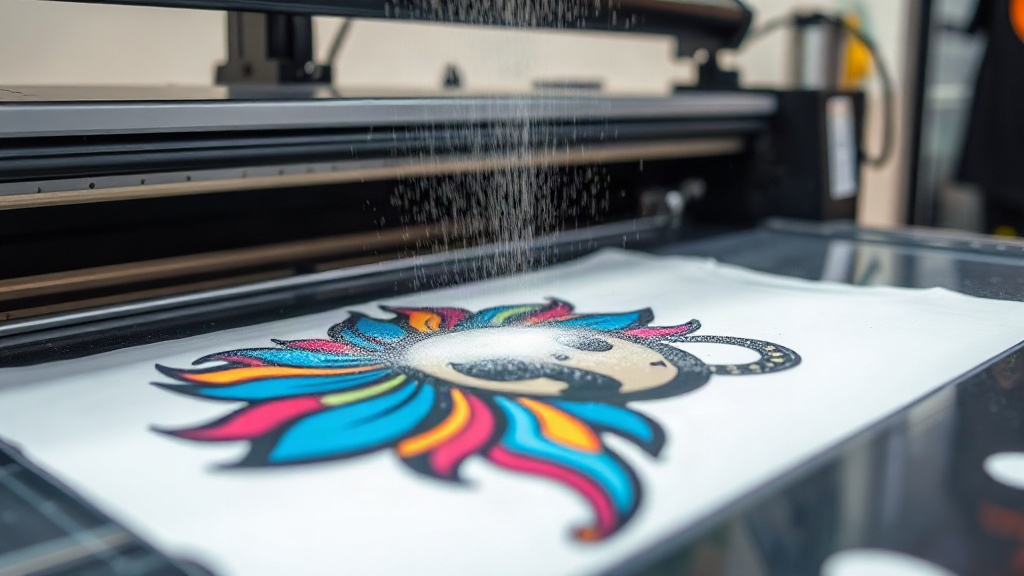
The process involves a specialized printer equipped with pigment-based inks (CMYK plus white). The design is printed onto a PET film in mirror image. While the ink is still wet, a fine thermoplastic powder is applied, which adheres to the ink. After shaking off the excess powder, the film is cured in an oven or with a heat press. The result is a flexible, stretchable transfer that can be stored and used later.
The DTF Printing Process Step by Step
- Design Preparation: Create your artwork in a graphic design software. Remember to mirror the image horizontally before printing. Ensure your design has transparent background where you want the fabric to show through.
- Printing: Load the PET film into your DTF printer. The printer lays down a layer of white ink first (if printing on dark garments) followed by CMYK inks. Some printers print white last as a base for the powder.
- Powder Application: While the ink is still wet, the film passes through a powder shaker that evenly coats it with hot-melt adhesive powder. You then shake off any excess powder.
- Curing: The film goes into a curing oven or under a heat press for a specific time and temperature (usually around 160°C for 2-3 minutes) to melt the powder and set the ink.
- Transfer: Once cured, the transfer is ready. You can store it for later or press it onto your garment using a heat press at about 160°C for 10-15 seconds with medium pressure.
- Peeling: After pressing, allow the transfer to cool completely before peeling off the film. This is often called "cold peel."
Why Choose DTF Over Other Printing Methods?
DTF printing shines in several areas where other methods fall short. Let's break down the key benefits.
1. Unmatched Versatility with Fabrics
One of the biggest headaches in apparel decoration is printing on different materials. Screen printing works best on cotton, DTG primarily on 100% cotton, and vinyl on cotton or polyester blends. DTF, however, adheres beautifully to almost any fabric: cotton, polyester, blends, nylon, leather, and even some treated synthetic materials. This means you can offer your customers a wider range of garment options without changing your entire workflow.
2. No Weeding or Cutting Required
If you've ever worked with heat transfer vinyl (HTV), you know the tedious process of weeding out tiny details. DTF eliminates that entirely. Your printer produces the complete transfer, including fine lines and gradients, ready to press. This saves hours of labor and reduces the risk of errors.
3. Vibrant Colors and Fine Details
DTF printers use high-quality pigment inks that produce rich, opaque colors. The white ink layer ensures that your design pops even on dark garments. Plus, the resolution is high enough to capture intricate details, making it ideal for photographic designs, small text, and complex patterns.
4. Durability and Stretchability
When applied correctly, DTF transfers are incredibly durable. They withstand repeated washing without cracking, peeling, or fading. The transfers also stretch with the fabric, so they're perfect for athletic wear and stretchy materials. This longevity translates to happy customers and fewer returns.
5. Cost-Effective for Short Runs
For small batches or one-off custom pieces, DTF is far more economical than screen printing, which requires setup costs for each color. There's no minimum order quantity, so you can print a single shirt profitably. This makes it a great option for personalized gifts, samples, and small businesses.
Common Challenges and How to Overcome Them
While DTF printing is user-friendly, there are a few pitfalls to watch out for.
Ink Cracking or Fading
This often happens due to improper curing. Make sure your powder is fully melted and the ink reaches the correct temperature. Investing in a reliable curing oven or using a heat press with accurate temperature control is key. Also, store transfers in a cool, dry place away from direct sunlight.
Adhesion Issues
If the transfer peels off after washing, it could be due to insufficient pressure during pressing, wrong temperature, or pressing on a fabric that's not compatible (like highly textured surfaces). Always test on a scrap piece first. Use a heat press, not an iron, for consistent results.
Color Accuracy
Colors on screen may look different when printed. Calibrate your monitor and use ICC profiles for your printer to ensure color accuracy. Also, remember that the white ink layer can affect the final appearance, especially on dark garments.
Essential Tips for Flawless DTF Transfers
- Mirror Your Design: Always flip your artwork horizontally before printing. The transfer will be pressed face-down, so it needs to be reversed.
- Control Moisture: Fabric should be dry before pressing. Moisture can cause steam and prevent proper adhesion.
- Pre-Press Garments: This removes wrinkles and moisture, ensuring a smooth surface for the transfer.
- Use the Right Powder: Choose a high-quality hot-melt powder that matches your ink and fabric type. Fine powder works better for detailed designs.
- Cool Peel: Always let the transfer cool completely before peeling. Peeling hot can cause the design to stretch or peel off prematurely.
- Test Wash: Before selling, wash a sample garment to ensure the transfer holds up. Follow care instructions: wait 24 hours before first wash, wash inside out in cold water, and avoid bleach.
Frequently Asked Questions About DTF Printing
Can I use DTF on 100% polyester?
Yes, DTF works great on polyester. However, because polyester is heat-sensitive, you should use lower pressing temperatures (around 140-150°C) to avoid scorching or dye migration. Always test first.
How long do DTF transfers last?
With proper application and care, DTF transfers can last as long as the garment itself. They withstand dozens of washes without significant fading or cracking. Following washing instructions (cold water, inside out, no bleach) will maximize longevity.
Do I need a special printer for DTF?
Yes, you need a dedicated DTF printer that uses pigment inks and has a white ink channel. You can convert some Epson printers, but purpose-built DTF printers are recommended for reliability and print quality.
Is DTF printing better than DTG?
It depends on your needs. DTF offers more fabric versatility and doesn't require pre-treatment, while DTG is faster for direct-to-garment printing on cotton. Many shops use both to cover all bases.
What fabrics can I use with DTF?
DTF adheres to cotton, polyester, blends, nylon, leather, and more. It's not recommended for fabrics with heavy coatings or finishes that repel adhesives.
Final Thoughts
DTF printing is a powerful tool that can elevate your custom apparel business. Its versatility, durability, and ease of use make it a worthy addition to any print shop. By understanding the process and following best practices, you can produce stunning transfers that delight your customers. So why not give DTF a try? Your next bestseller might just be a press away.