
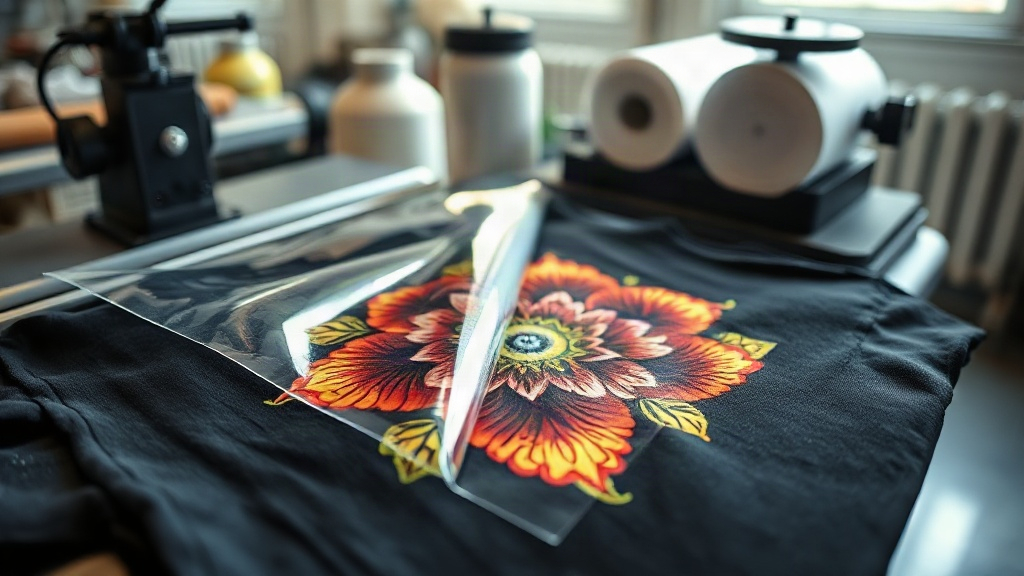
When it comes to creating custom apparel that stands out, DTF Transfers have quickly become a game-changer for both hobbyists and professional print shops. Unlike traditional methods that require specialized equipment or limit your fabric choices, DTF transfers offer a versatile, cost-effective solution that delivers vibrant, long-lasting results on almost any material. Whether you're printing a single custom t-shirt or running a full production line, understanding how DTF transfers work can elevate your designs and streamline your workflow.
What Are DTF Transfers?
DTF stands for Direct-to-Film, a printing technology where your design is printed onto a special transfer film using water-based pigments. The printed film is then coated with a hot-melt adhesive powder, cured, and pressed onto the fabric with a heat press. The result is a soft, stretchable, and durable print that bonds seamlessly to the material. Unlike DTG (Direct-to-Garment) printing, which requires pre-treatment and works best on cotton, DTF transfers can be applied to cotton, polyester, blends, and even non-traditional fabrics like nylon and leather. This flexibility makes them a favorite for custom t-shirts, hoodies, tote bags, and more.
The DTF Printing Process Explained
Creating a DTF transfer involves several precise steps. First, your design is printed onto a PET film using a DTF printer equipped with CMYK and white inks. The white ink layer is crucial because it allows the design to show up vividly on dark fabrics. After printing, the film is dusted with a thermoplastic adhesive powder, which is then melted into the ink using a curing oven or heat press. Once cooled, the transfer is ready to be applied. The application itself is straightforward: place the transfer on the garment, press for 10-15 seconds at 300-320°F (150-160°C) with medium pressure, and peel the film off either hot or cold, depending on the film type. The entire process can be done in-house, giving you full control over quality and turnaround time.
Why Choose DTF Transfers Over Other Methods?
If you're comparing printing options, DTF transfers offer several compelling advantages that set them apart from vinyl, screen printing, and DTG.
- Unmatched Versatility: DTF transfers adhere to a wide range of fabrics, including cotton, polyester, blends, and even treated nylon. You're not limited to 100% cotton like with DTG.
- Vibrant Colors and Fine Details: The combination of CMYK and white inks produces bright, opaque colors and intricate details that rival screen printing, even on dark garments.
- Durability: When applied correctly, DTF transfers withstand dozens of washes without cracking, peeling, or fading. The adhesive powder creates a strong bond that flexes with the fabric.
- Cost-Effective for Short Runs: Unlike screen printing, which requires separate screens for each color, DTF transfers are economical for small batches and one-off designs. There are no minimum order quantities.
- No Pre-Treatment Needed: DTG requires pre-treating the garment, which adds time and cost. DTF transfers eliminate that step entirely.
These benefits make DTF transfers an ideal choice for small businesses, crafters, and anyone looking to produce high-quality custom apparel without a huge investment in equipment.
How to Apply DTF Transfers for Perfect Results
Getting a professional finish with DTF transfers requires attention to a few key details. Here's a step-by-step guide to ensure your transfers look great and last.
- Prepare Your Heat Press: Set the temperature to 300-320°F (150-160°C) and preheat the garment for 5-10 seconds to remove moisture and wrinkles. This step improves adhesion.
- Position the Transfer: Place the DTF transfer on the garment with the printed side facing up. Use heat tape if needed to keep it in place.
- Press: Apply medium to firm pressure for 10-15 seconds. If you're using a home iron, press firmly and use a pressing cloth, but a heat press is strongly recommended for consistent results.
- Peel: Most DTF films are cold-peel, meaning you wait a few seconds for the transfer to cool before peeling the film off. Some films are hot-peel; check your supplier's instructions.
- Post-Press (Optional): For extra durability, cover the design with a Teflon sheet or parchment paper and press again for 5-10 seconds. This helps the adhesive fully set.
Following these steps will give you a smooth, professional-looking print that stays put wash after wash.
Common Challenges and How to Overcome Them
Even with a straightforward process, issues can arise. Here are some common problems and their solutions.
- Transfer Not Sticking: This usually happens due to insufficient pressure, incorrect temperature, or a garment that hasn't been preheated. Double-check your heat press settings and ensure the garment is completely dry.
- Cracking or Peeling After Wash: If the transfer peels, it may not have been pressed long enough or the adhesive powder wasn't fully melted. Increase pressing time slightly or ensure your heat press maintains consistent temperature. Also, wait 24 hours before washing and turn the garment inside out.
- Dull Colors on Dark Fabrics: If colors look muted, your white ink layer might be too thin. Choose a high-quality DTF transfer with a generous white base. Alternatively, press with higher pressure to embed the ink into the fabric better.
- Film Sticking to the Design: This can happen if you peel too soon or too late. Follow the recommended peel type (hot vs. cold) for your film. If in doubt, let it cool completely before peeling.
With a bit of practice, you'll be able to troubleshoot these issues quickly and consistently produce excellent results.
DTF Transfers vs. Other Printing Methods: A Quick Comparison
To help you decide if DTF is right for your project, here's how it stacks up against other popular techniques.
- DTF vs. Vinyl: Vinyl is great for simple, single-color designs but can't handle complex gradients or fine details. DTF excels at full-color, photographic-quality prints. Vinyl also requires weeding, which is time-consuming.
- DTF vs. Screen Printing: Screen printing is cost-effective for large orders but expensive for small runs due to setup costs. DTF has no setup fees and is perfect for short runs and personalized items. Screen printing can also be limiting on dark fabrics without a white underbase, while DTF includes white ink automatically.
- DTF vs. DTG: DTG works well on 100% cotton but struggles on polyester and blends. DTF adheres to almost any fabric and doesn't require pre-treatment. DTG can also feel stiff on dark shirts due to the pre-treatment, whereas DTF has a softer hand.
Ultimately, DTF transfers offer a balance of quality, versatility, and cost that makes them a top choice for many applications.
Tips for Scaling Your DTF Production
If you're moving from occasional crafting to a full-fledged business, consider these tips to streamline your DTF workflow.
- Invest in a Reliable DTF Printer: A dedicated DTF printer with a white ink circulation system will save you time and reduce clogs. Brands like Epson and Roland are popular, but there are also specialized DTF printers from companies like Mutoh and Mimaki.
- Use Quality Supplies: Cheaper films and powders can lead to inconsistent results. Stick with reputable suppliers for film, ink, and powder to ensure durability.
- Organize Your Transfers: Store printed transfers in a cool, dry place away from direct sunlight. Use a filing system to keep track of designs.
- Master Your Heat Press: Consistency is key. Invest in a heat press with digital temperature and pressure controls. Consider a larger platen if you're pressing multiple items.
- Offer Customization: DTF transfers are perfect for personalized products like team jerseys, bachelorette party shirts, and corporate swag. Market this capability to attract more customers.
By optimizing your process, you can increase output without sacrificing quality.
Frequently Asked Questions About DTF Transfers
How long do DTF transfers last?
When applied correctly and cared for properly, DTF transfers can last as long as the garment itself. They typically withstand 50+ washes without significant fading or cracking. To maximize longevity, wash the garment inside out in cold water and avoid harsh detergents or bleach. Tumble dry low or hang dry.
Can I use DTF transfers on 100% polyester?
Yes, DTF transfers work exceptionally well on polyester. In fact, they often perform better on polyester than DTG because the lower pressing temperature (around 300°F) prevents the fabric from scorching or dye migration. Just ensure you use a film designed for polyester if you're concerned about dye migration from the fabric.
Do I need a special printer for DTF transfers?
You can either purchase a dedicated DTF printer or convert an existing inkjet printer with DTF inks and a film feeding system. However, dedicated DTF printers are recommended for consistent results and less maintenance. If you're just starting, you can also buy pre-printed DTF transfers from suppliers and apply them with a heat press.
What is the best temperature for pressing DTF transfers?
The ideal temperature range is 300-320°F (150-160°C). However, the exact temperature can vary depending on the film and adhesive powder used. Always follow the instructions provided by your transfer supplier. Using a heat press with accurate temperature control is crucial for consistent adhesion.
Can I layer DTF transfers?
Yes, you can layer DTF transfers to create multi-color designs or add dimensional elements. Press the first transfer, then place the second on top and press again. Keep in mind that layering may increase the thickness of the print, so it's best for designs where a slight texture is acceptable. For the softest feel, opt for a single transfer with all colors printed together.